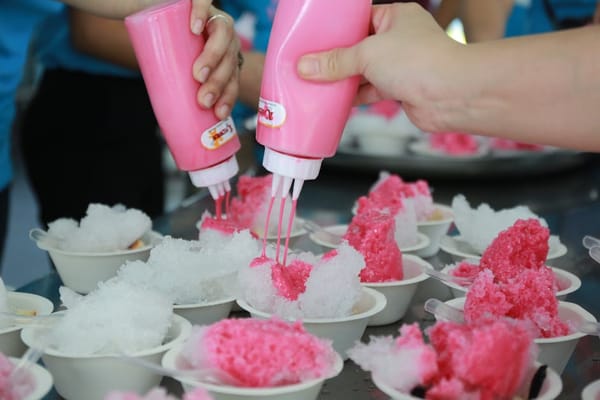
halo-halo
Halo-Halo: The Filipino Dessert That Defies Logic
Twelve ingredients including purple yam, kidney beans, coconut, leche flan, and ube ice cream — piled on shaved ice. It shouldn't work. It's perfect.
An in-depth culinary resource on the cuisines of East Asia—not for tourists, but for those who want to understand why food is the way it is. Each article explores the cultural, historical, or regional context behind a dish. The site covers street food, regional cuisines, food markets, restaurant culture, and culinary traditions.
Twelve ingredients including purple yam, kidney beans, coconut, leche flan, and ube ice cream — piled on shaved ice. It shouldn't work. It's perfect.
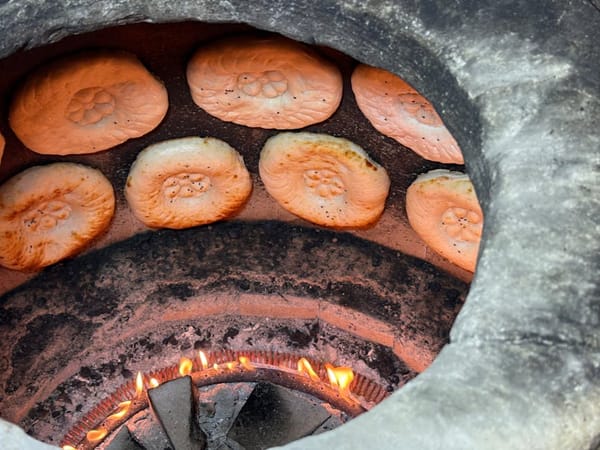
A clay oven reaching 480°C, a cook with asbestos hands, and a cooking method that hasn't changed in 5,000 years. The tandoor is primal cooking refined.
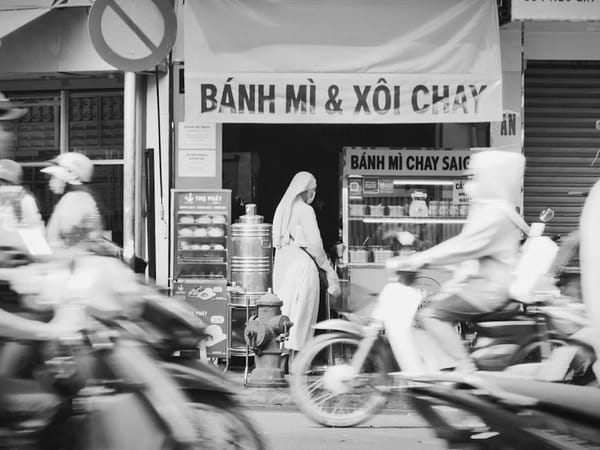
Saigon feeds seven million people from plastic stools and sidewalk kitchens. Here's how to join them.
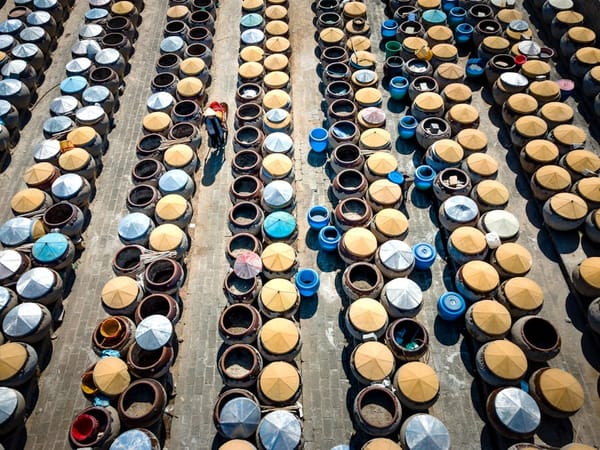
Almost everything that makes Asian food taste like Asian food involves fermentation. The technique is so pervasive it's invisible.
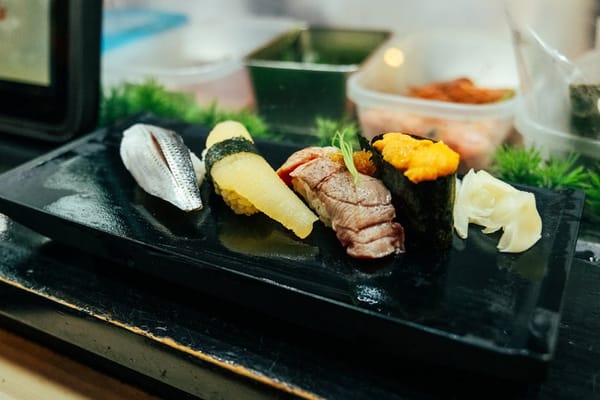
If your sushi order is salmon, tuna, and California roll, you're eating the opening credits and leaving before the movie starts.
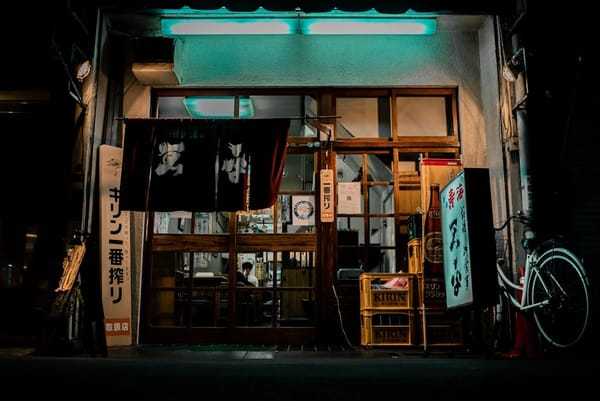
The izakaya is Japan's answer to the pub, the tapas bar, and the therapy session. Here are the rules nobody posts on the wall.
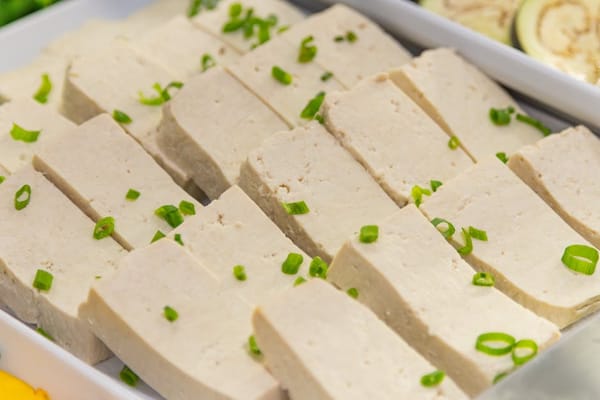
Asia has been eating plant-based protein for millennia. So why is the Silicon Valley version struggling to find its footing?
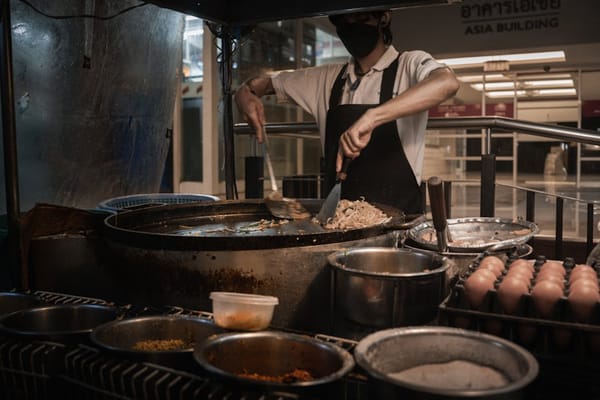
Thailand's most famous dish was created by a military dictator as part of a nationalist agenda. Pad thai's origin story is stranger than its flavor.
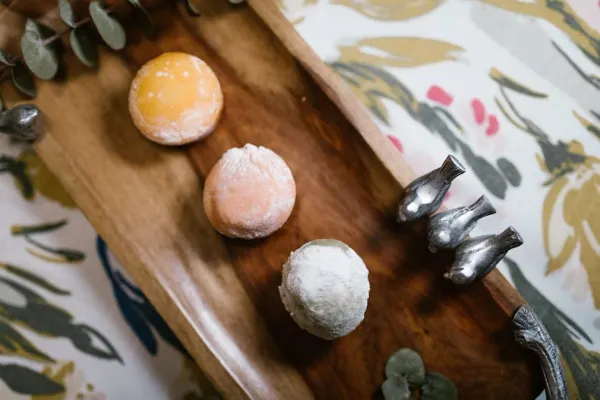
Mochi in Japan isn't just a dessert — it's a calendar. Each season brings a different rice cake, a different filling, and a different reason to eat it.
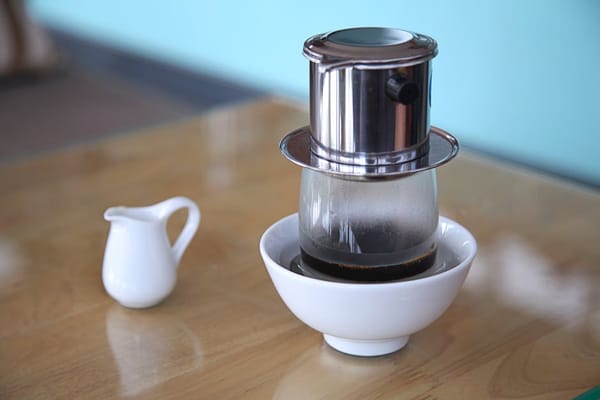
Vietnamese coffee is made from robusta beans that the specialty coffee world dismisses, brewed in a filter that takes five minutes, and sweetened with canned milk. It's extraordinary.
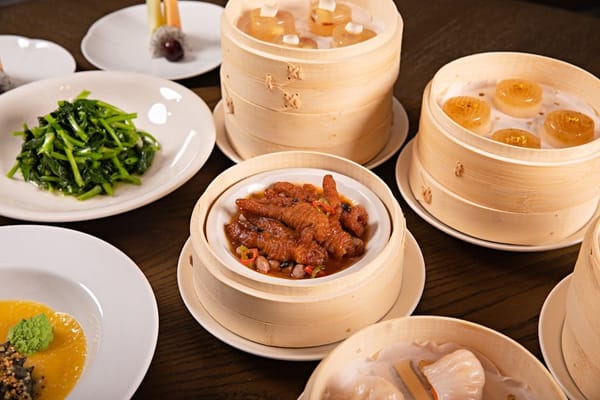
Cantonese cooking whispers. Sichuan cooking shouts. Together they define the two poles of Chinese cuisine, and choosing between them is both impossible and mandatory.
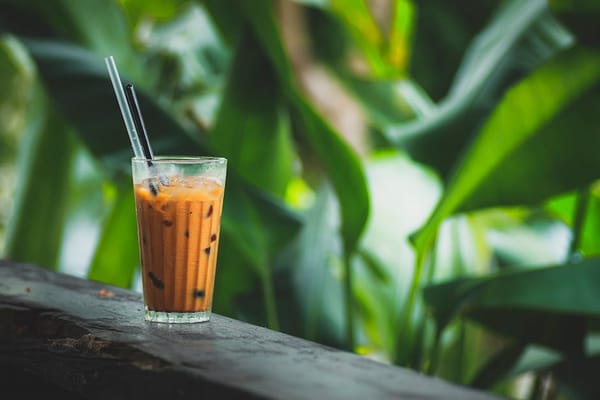
That aggressively orange drink in the plastic bag with a straw is Thailand's most successful flavor export. Here's what's actually in it.