The Two Lives of Mango: Why the Same Fruit Turns Savory in India and Sweet Across Southeast Asia
In India, an unripe mango means pickle and chutney. In Thailand and the Philippines, the same fruit only counts once it has turned gold and sweet.
An in-depth culinary resource on the cuisines of East Asia—not for tourists, but for those who want to understand why food is the way it is. Each article explores the cultural, historical, or regional context behind a dish. The site covers street food, regional cuisines, food markets, restaurant culture, and culinary traditions.
In India, an unripe mango means pickle and chutney. In Thailand and the Philippines, the same fruit only counts once it has turned gold and sweet.
Fold dough around a filling and you've got the beginning of a dish — what happens next depends entirely on which kitchen you're standing in.
Four countries, one climate problem: how Vietnam, Thailand, Hong Kong and Taiwan each built a completely different iced drink out of the same tropical heat and the same lack of fresh milk.
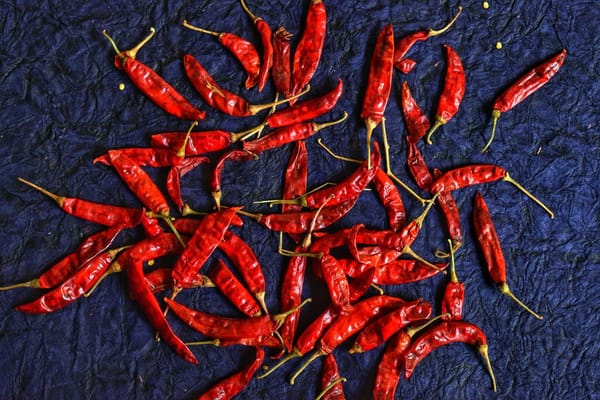
Sichuan's málà, Thailand's regional heat curve, Korea's sweeter gochugaru and Indonesia's hundreds of sambals — the same chili, reinvented across Asia.
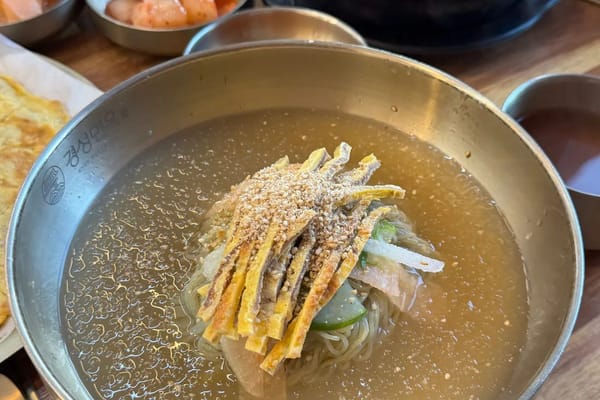
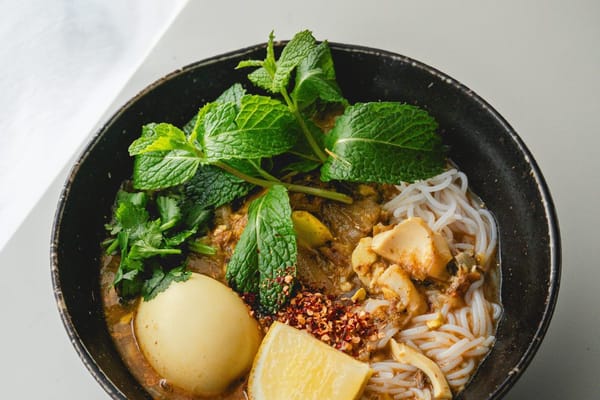
Wheat, rice or buckwheat; twelve hours of broth or twelve minutes; scalding hot or packed with ice — the noodle bowl changes completely depending on which border you're standing in.
From Korean kimchi to Japanese miso to Indonesian tempeh, the flavours that define Asian cooking are built by bacteria and mould working over months, not by heat.
Durian growers don't check a calendar to know when the season starts — they check the sky. A journey through the fruit and dishes that only exist because the monsoon arrives on time.
From yakitori counters to satay carts and lamb skewers on a Xi'an pavement, grilling over open flame is the thread running through Asia's street food. A look at why fire and a stick became the region's most democratic meal.
Mochi, tteok, nian gao, tikoy, suman: one sticky grain, a dozen countries, and almost no two rice cakes that taste the same. A guide to the chew that runs across Asia.
There is a sound that tells you dinner is almost ready, and in much of Asia it is not the
From Chongqing's tongue-numbing chili oil to the clear dashi of a Japanese shabu-shabu, hot pot is less a dish than a way of eating. Here is how Asia turned a pot of broth into a regional signature.
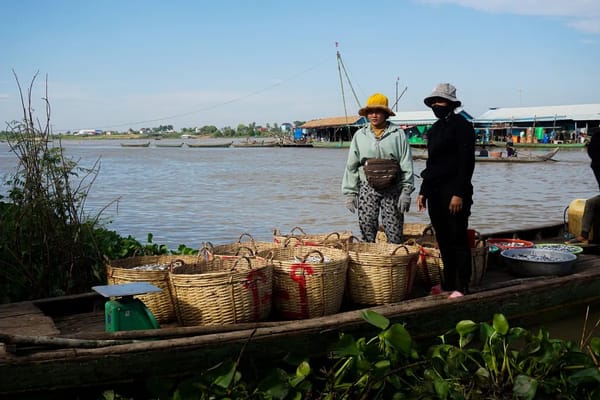
The real way Asia eats happens at the wet market before seven in the morning. A sensory guide to the lanes, the breakfast stalls, and the etiquette that makes you a regular.