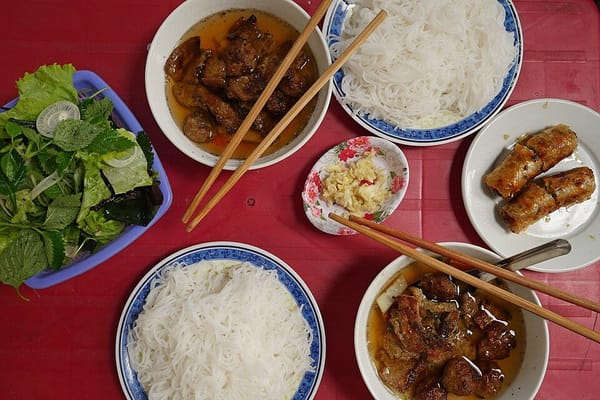
Bún Chả and the Grill Smoke of Hanoi: Inside Vietnam's Most Argued-Over Noodle Dish
In Hanoi, bún chả is a decades-long argument served in a bowl — charcoal versus gas, sliced pork versus patties, and a nước chấm ratio nobody agrees on.
An in-depth culinary resource on the cuisines of East Asia—not for tourists, but for those who want to understand why food is the way it is. Each article explores the cultural, historical, or regional context behind a dish. The site covers street food, regional cuisines, food markets, restaurant culture, and culinary traditions.
In Hanoi, bún chả is a decades-long argument served in a bowl — charcoal versus gas, sliced pork versus patties, and a nước chấm ratio nobody agrees on.
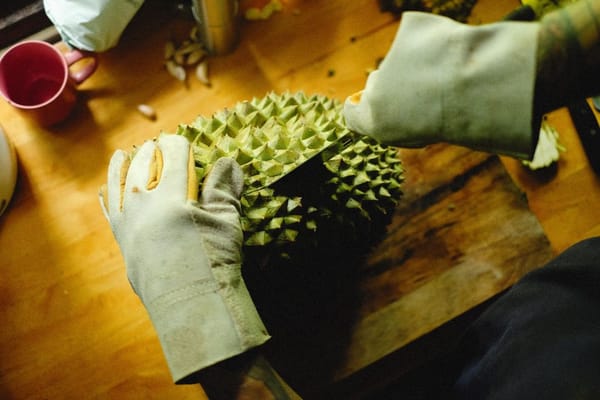
The smell hits you before the price does. Peak durian season is here, and the Musang King you bought last August costs noticeably more this year — here's what's actually driving that.
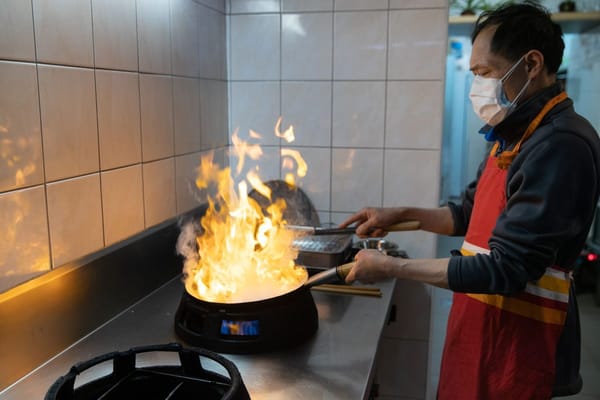
Wok hei is the smoky flavor Cantonese cooks call the wok's breath — and across Asia's street kitchens, it's a fading skill that separates a good cook from a great one.
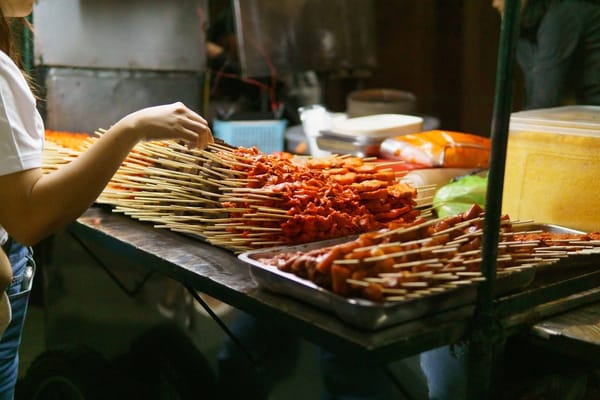
Chicken intestines, coagulated blood and deep-fried fish paste sound like a dare, until you understand the informal economy running Manila's sidewalk grills every night, one ten-peso skewer at a time.
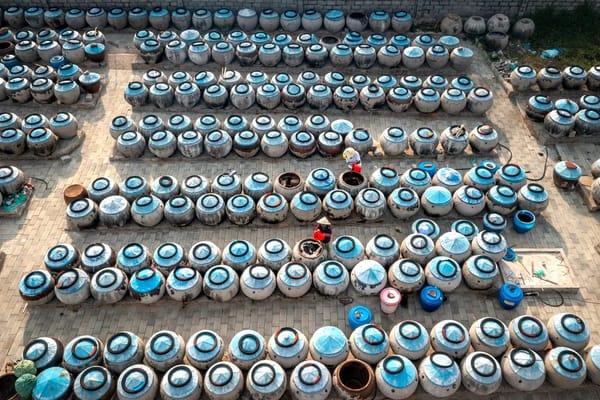
Every summer, Southeast Asia's fish sauce makers turn heat into an ingredient — packing barrels with anchovies and salt and letting the hottest months do the fermenting nobody dares rush.
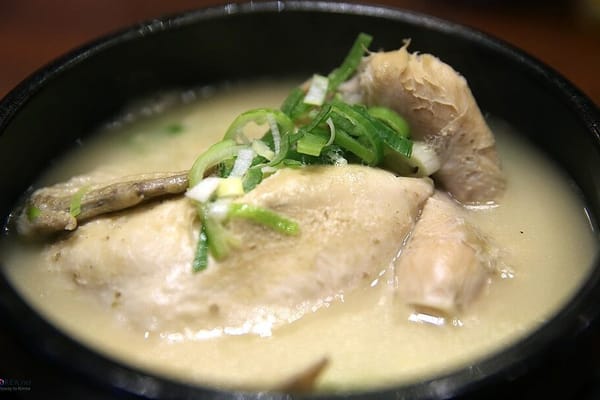
Jungbok fell on July 25 this year, and Malbok won't arrive until August 14 — a 20-day gap instead of the usual ten. A deep dive into Korea's sambok tradition, samgyetang's regional variants, and the ginseng economy behind the bowl.
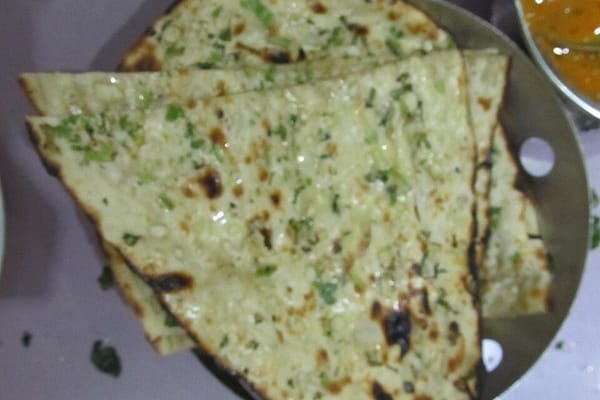
Naan, roti canai, Uyghur nan, jianbing and kottu roti all start from the same wheat dough – the fire underneath is what actually decides the bread.
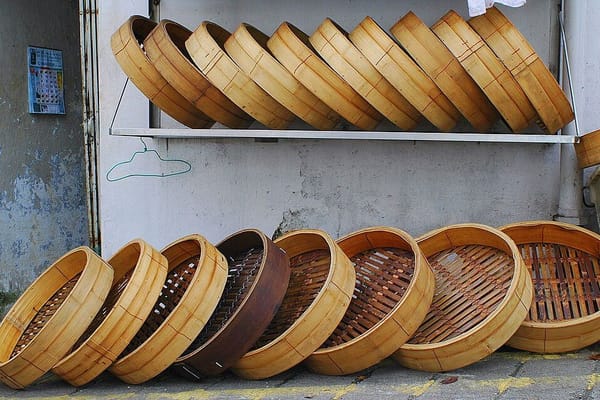
When monsoon humidity climbs past 80% across Asia in July, steaming quietly takes over the street-food menu. Here's why bamboo baskets, banana leaves and earthenware pots beat the wok in the hottest month of the year.
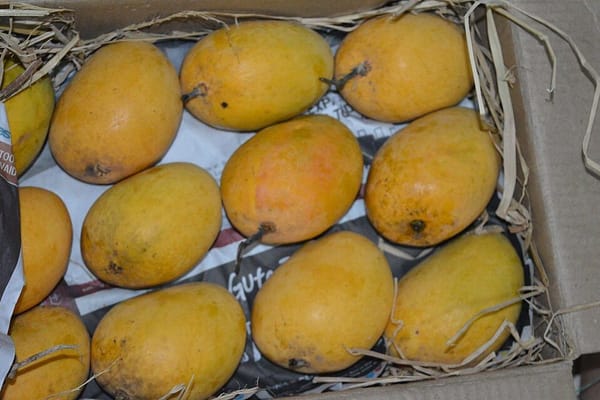
In India, an unripe mango means pickle and chutney. In Thailand and the Philippines, the same fruit only counts once it has turned gold and sweet.
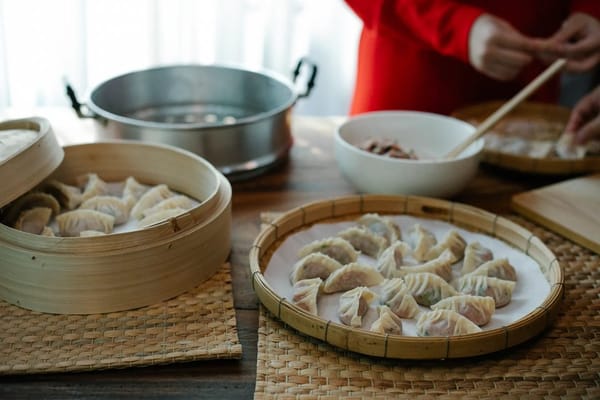
Fold dough around a filling and you've got the beginning of a dish — what happens next depends entirely on which kitchen you're standing in.
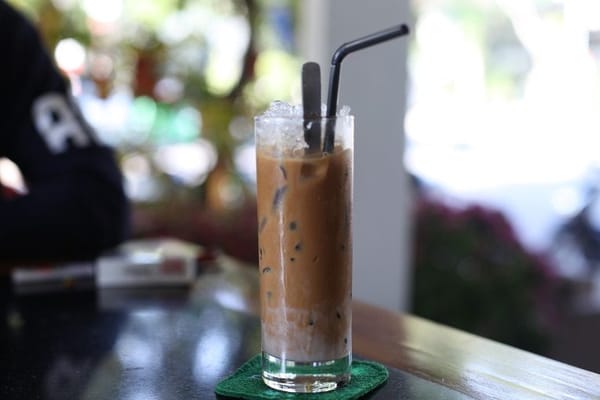
Four countries, one climate problem: how Vietnam, Thailand, Hong Kong and Taiwan each built a completely different iced drink out of the same tropical heat and the same lack of fresh milk.
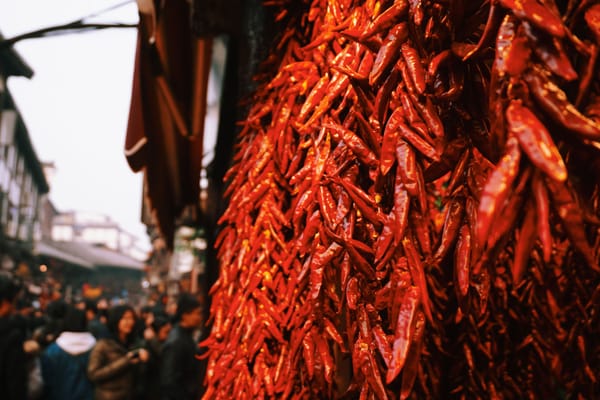
Sichuan's málà, Thailand's regional heat curve, Korea's sweeter gochugaru and Indonesia's hundreds of sambals — the same chili, reinvented across Asia.