Clay Pot Cooking Across Asia: When the Vessel Is the Ingredient
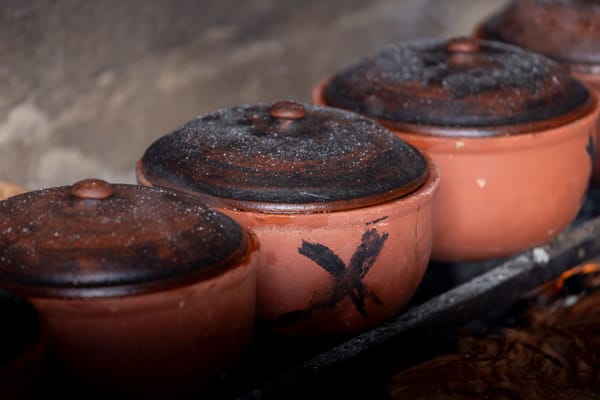
The clay pot isn't just a cooking vessel in Asian kitchens — it's an ingredient. The crusty rice at the bottom is the best part, and that's by design.
An in-depth culinary resource on the cuisines of East Asia—not for tourists, but for those who want to understand why food is the way it is. Each article explores the cultural, historical, or regional context behind a dish. The site covers street food, regional cuisines, food markets, restaurant culture, and culinary traditions.
The clay pot isn't just a cooking vessel in Asian kitchens — it's an ingredient. The crusty rice at the bottom is the best part, and that's by design.
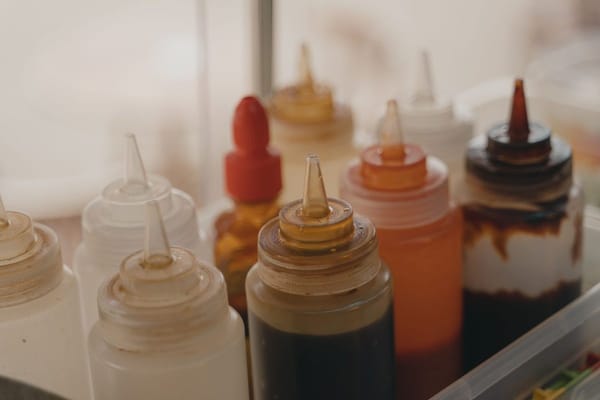
Soy sauce arrived in Europe before tea, left fingerprints on Worcestershire sauce and ketchup, and traveled the same trade routes as silk and silver.
They cost a fortune, half of them get re-gifted, and they symbolize everything from family reunion to political rebellion. Mooncakes are China's most complicated dessert.
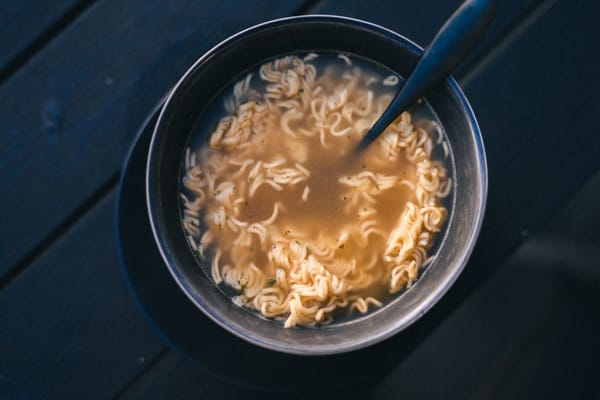
Korean convenience stores sell fresh kimbap, hot ramen cooked at the counter, and fried chicken that rivals actual restaurants. This is not a joke.
Coconut milk is to Southeast Asian cooking what butter is to French cooking: the fat that makes everything possible. Stop diluting it.
Filipino street food is bold, vinegar-soaked, and fearlessly offal-heavy. Manila's stalls serve food that challenges, rewards, and refuses to play it safe.
The Chinese cleaver does everything a Western knife block does, and it does it with a single blade. Here's the cutting philosophy that changes how Asian food cooks.
A $30 rice cooker is the most underrated appliance in any kitchen. It makes perfect rice, obviously. It also makes eight other things nobody told you about.
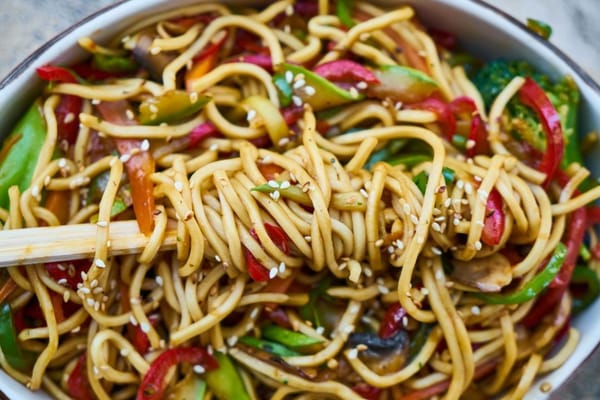
Dumplings for wealth. Fish for surplus. Noodles for long life. The Lunar New Year table is the most symbolically loaded meal in Asia.
That tall, woody stalk in the produce aisle contains a citrus bomb that anchors Thai, Vietnamese, and Indonesian cooking. Here's how to unlock it.
The chef flips a shrimp into his hat pocket, builds an onion volcano, and sears wagyu on a 250°C iron plate. Teppanyaki is theater. The food is the encore.
Halal food in Tokyo, Seoul, and Bangkok ranges from effortless to genuinely difficult. Here's the honest picture with real options.