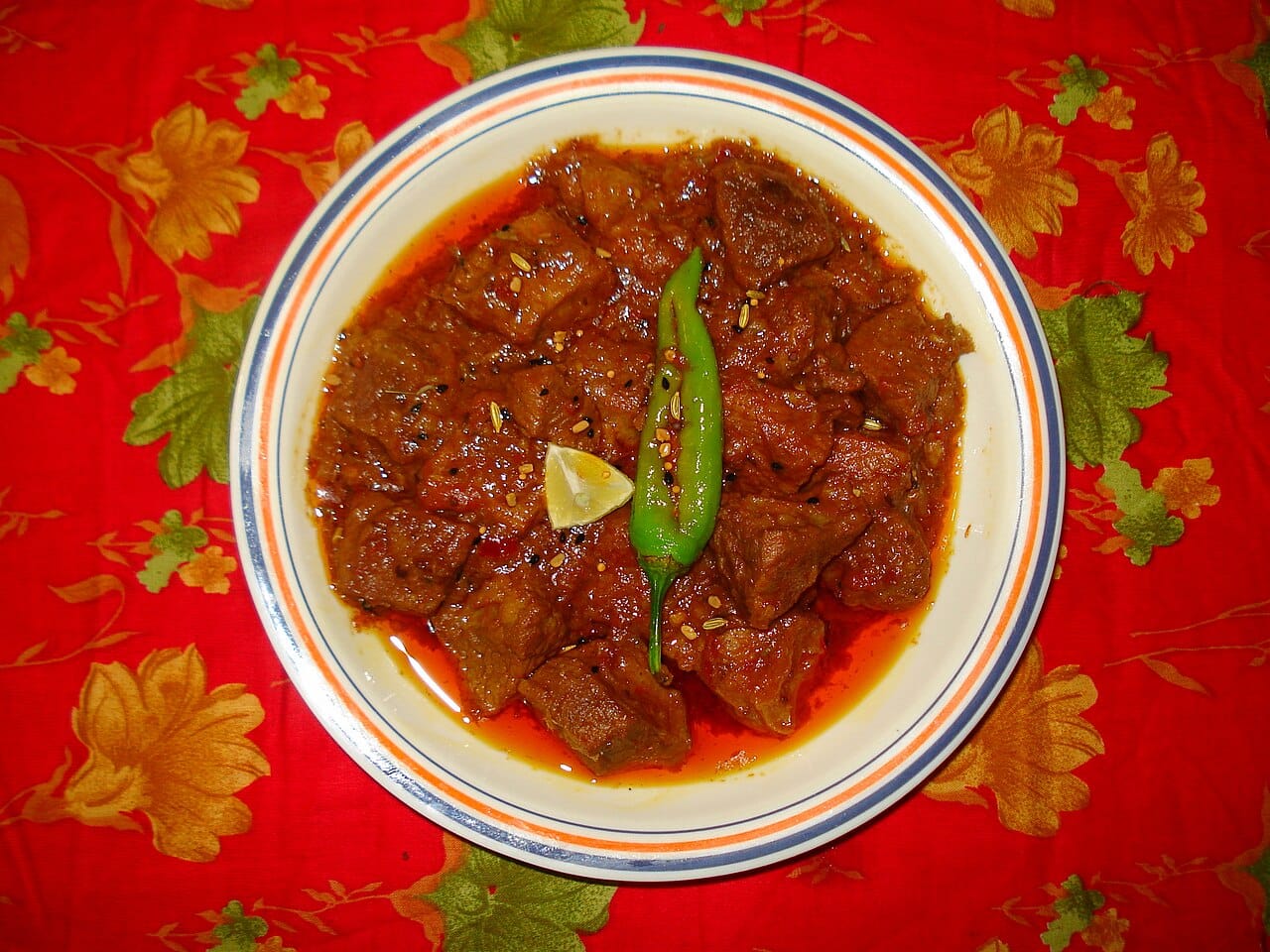
Walk into a Korean home around dinnertime and you will see something Western kitchens almost never produce: a row of small porcelain dishes, each holding a different pickled or fermented vegetable, ready to anchor whatever the main dish happens to be. The same ritual plays out across Asia in different forms. Japanese tsukemono trays beside a bowl of rice. Indian and Malay achar served alongside curry. Chinese paocai snapped from a glass jar in a Sichuan kitchen. These are not garnishes. They are the structural support beams of an Asian meal.
Why Asia Pickled, and Why It Stayed
The reasons most Asian cuisines became deeply pickled are practical. Long monsoon seasons made fresh vegetables unreliable. Refrigeration arrived late. Salt was sometimes scarce, sometimes plentiful, and always a useful preservative. Across thousands of years, almost every Asian agricultural culture independently figured out the same lesson: lacto-fermentation, vinegar, and brine could turn a brief harvest glut into a year-round pantry.
What is striking is that even after refrigeration arrived, even after vegetables became available year-round, the pickled side dishes did not retreat. They remained at the centre of the meal because diners had come to need them. A bowl of plain rice and grilled fish feels incomplete to a Korean, Japanese or Sichuan eater without something sour, salty, crunchy on the side. The pickle resets the palate between bites of fatty or starchy food. It adds the umami the rest of the meal lacks. It supplies the textural sharpness that long-cooked dishes cannot.
Korea: Kimchi as the Spine of the Table
The Korean banchan tradition is the most expansive in Asia. A typical home meal includes between three and seven small dishes, of which at least one is some form of kimchi. Cabbage kimchi, the version most foreigners know, is the most common, but a properly stocked Korean kitchen will also offer kkakdugi (cubed radish), oi sobagi (stuffed cucumber), pa kimchi (scallion), and gat kimchi (mustard leaf). Each ferments at a different speed, and a Korean cook will often have several stages of each variety in rotation.
The traditional kimjang ritual, the autumn cabbage-pickling event held by extended families across Korea, was inscribed on UNESCO's intangible cultural heritage list in 2013. Modern Seoul apartments may rely on a dedicated kimchi refrigerator, but the principle is the same: enough fermented vegetable to last the household until the next harvest.
Japan: Tsukemono as Quiet Punctuation
Japanese pickling is more restrained, but no less central. Tsukemono are nearly always present at a traditional meal, served in tiny portions and meant to be eaten between sips of soup or bites of rice. The categories matter. Asazuke are quick pickles, ready in hours. Nukazuke are vegetables buried in fermented rice-bran beds, with a complex flavour that home cooks tend their nukadoko like a sourdough starter. Umeboshi, the sour pickled plum, is its own cultural institution, often appearing alone on a bed of rice as the centre of a hinomaru bento.
Common Japanese Pickle Categories
- Asazuke: salt-cured cucumber, daikon, or cabbage, ready in hours
- Nukazuke: vegetables fermented in rice-bran beds for days to weeks
- Shibazuke: Kyoto-style red cucumber and aubergine, vinegar-based
- Takuan: bright yellow daikon, traditionally sun-dried before pickling
- Umeboshi: salt-fermented plum, sometimes with red shiso
India and Malaysia: Achar in Two Climates
The achar tradition stretches from Pakistan through India to Malaysia and Indonesia, mutating as it goes. North Indian achar leans heavily on mustard oil and dried spice, with mango, lime and chilli the dominant fruits. South Indian thokku versions are slow-cooked masalas. Malay and Nyonya achar, by contrast, embraces vinegar and a fresh, almost-salad quality, often built around carrot, cucumber and pineapple. The shared instinct is the same: a small, intensely flavoured pickle that wakes up rice, bread or curry.
China: Paocai and Beyond
Sichuan paocai is the most famous Chinese pickle, made in distinctive lipped jars sealed with a water moat that lets carbon dioxide out without letting oxygen in. The flavour is sharper and more lactic than Korean kimchi, often with whole Sichuan peppercorns and dried chillies in the brine. Beyond paocai, every Chinese region has its specialities: Beijing's sweet, dark suancai; Hunan's preserved chillies; Shanghai's sweet vinegar pickles; Yunnan's mountain-vegetable ferments.
What Western Kitchens Miss
The lesson for cooks raised on Western meal structures is not that Asian pickles are exotic. It is that they are functional. They are the reason a bowl of plain rice can carry a meal, the reason heavy curries do not feel cloying, the reason a Japanese set lunch can be three small things and feel complete. Once you start a small jar of asazuke or paocai in your own fridge, you stop noticing them as a separate dish and start noticing how empty meals feel without them.