Following the Smoke: How Asia's Grilled Skewers Tell You Exactly Where You Are
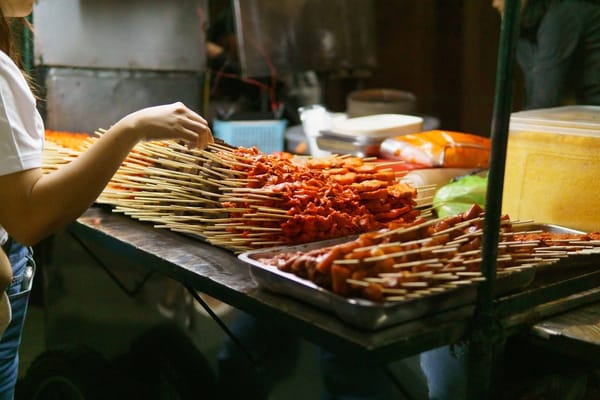
There is a particular sound that means dinner is close in half the cities of Asia: fat hitting charcoal, a
An in-depth culinary resource on the cuisines of East Asia—not for tourists, but for those who want to understand why food is the way it is. Each article explores the cultural, historical, or regional context behind a dish. The site covers street food, regional cuisines, food markets, restaurant culture, and culinary traditions.
There is a particular sound that means dinner is close in half the cities of Asia: fat hitting charcoal, a
A morning in Hanoi, Tokyo, Taipei and Seoul through the bowls that open the day, and what Asia's breakfast-soup tradition tells us about public food culture.
How tofu becomes five different ingredients across the streets of Japan, China, Korea, Vietnam and Indonesia.
When the sun drops, Asia's real food scene switches on. Night markets are where the best eating happens — loud, bright, and absolutely delicious.
If you're searching for toast and cereal in Asia, you're missing the best meal of the day. Asian breakfasts are bolder, more varied, and infinitely more interesting.
Everyone knows Chatuchak for shopping. The regulars know it for the food sections that most visitors walk right past.
Filipino street food is bold, vinegar-soaked, and fearlessly offal-heavy. Manila's stalls serve food that challenges, rewards, and refuses to play it safe.
A Michelin star for $2 chicken rice. UNESCO heritage status for a food court. Singapore's hawker centers defy every rule of fine dining.
Osaka calls itself kuidaore — 'eat until you drop.' The city's street food backs up the boast with octopus balls, pancakes, and fried skewers.
Saigon feeds seven million people from plastic stools and sidewalk kitchens. Here's how to join them.
That aggressively orange drink in the plastic bag with a straw is Thailand's most successful flavor export. Here's what's actually in it.
Penang doesn't just have good food — it has an entire identity built around hawker stalls, generational recipes, and arguments about whose char kway teow is superior.