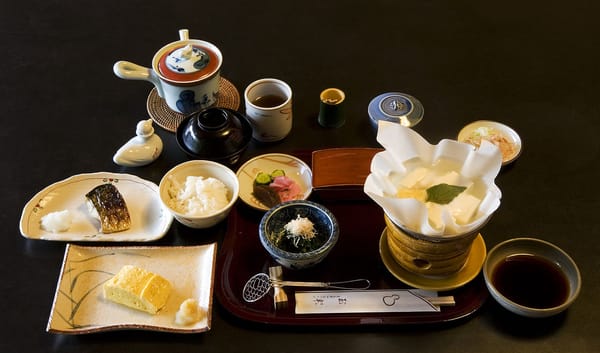
Asian Food
The Quiet Power of Asian Street Tofu: Five Countries, Five Personalities
How tofu becomes five different ingredients across the streets of Japan, China, Korea, Vietnam and Indonesia.
An in-depth culinary resource on the cuisines of East Asia—not for tourists, but for those who want to understand why food is the way it is. Each article explores the cultural, historical, or regional context behind a dish. The site covers street food, regional cuisines, food markets, restaurant culture, and culinary traditions.
How tofu becomes five different ingredients across the streets of Japan, China, Korea, Vietnam and Indonesia.
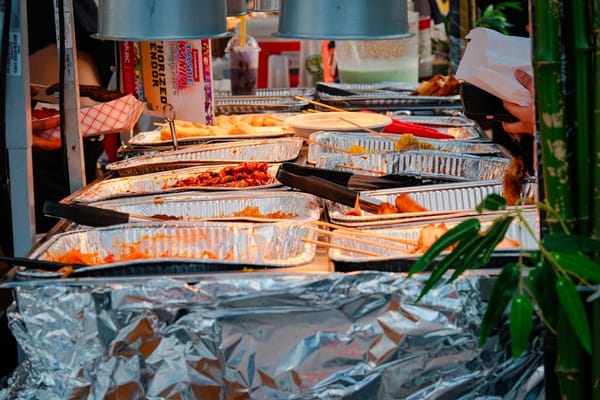
Harvest festivals across Asia share a common truth: the table tells the story of the year. These are the dishes that carry that story.
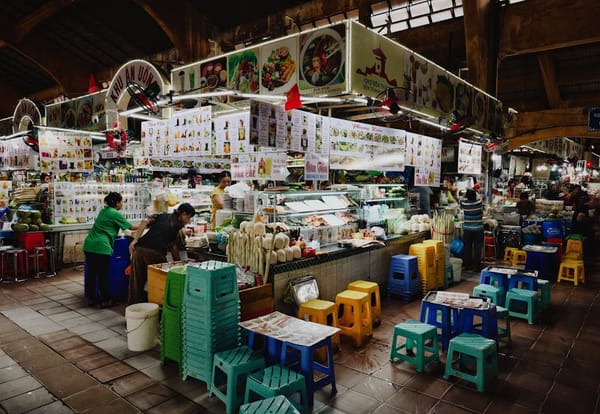
The Kansai-Kanto divide isn't just about geography. It's a philosophical disagreement about what food should be, fought with dashi and soy sauce.
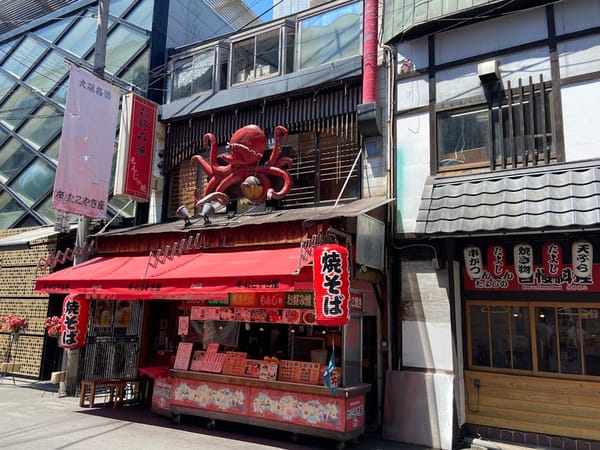
Osaka calls itself kuidaore — 'eat until you drop.' The city's street food backs up the boast with octopus balls, pancakes, and fried skewers.
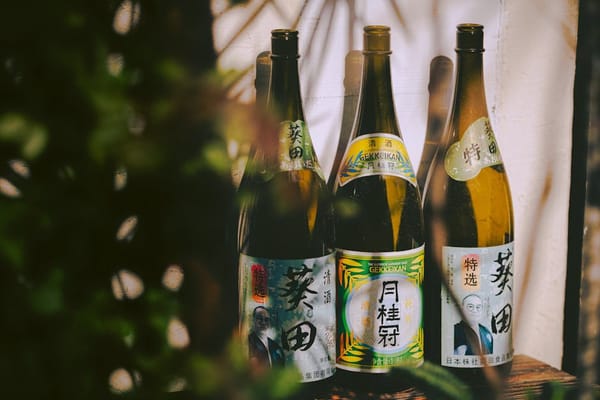
The sake aisle is covered in Japanese characters you can't read and classifications that nobody explained. Consider this your decoder ring.
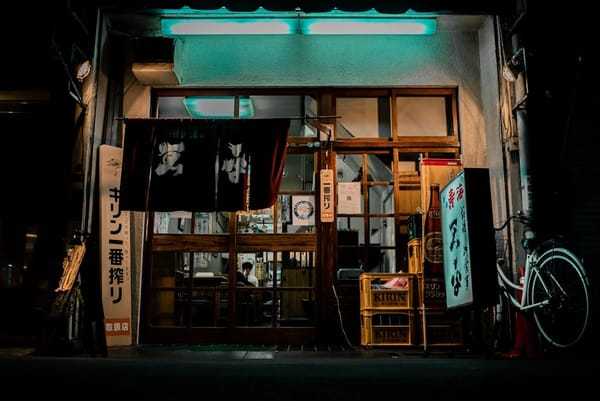
The izakaya is Japan's answer to the pub, the tapas bar, and the therapy session. Here are the rules nobody posts on the wall.
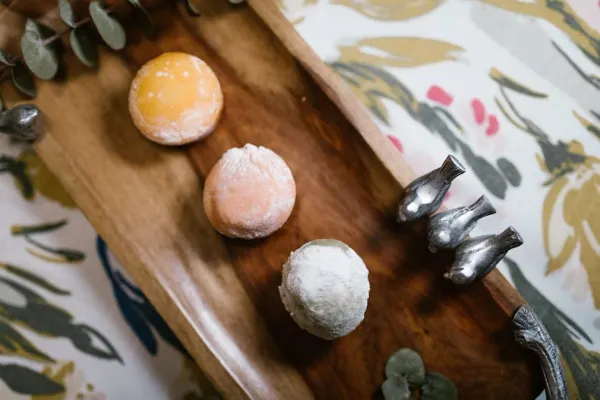
Mochi in Japan isn't just a dessert — it's a calendar. Each season brings a different rice cake, a different filling, and a different reason to eat it.
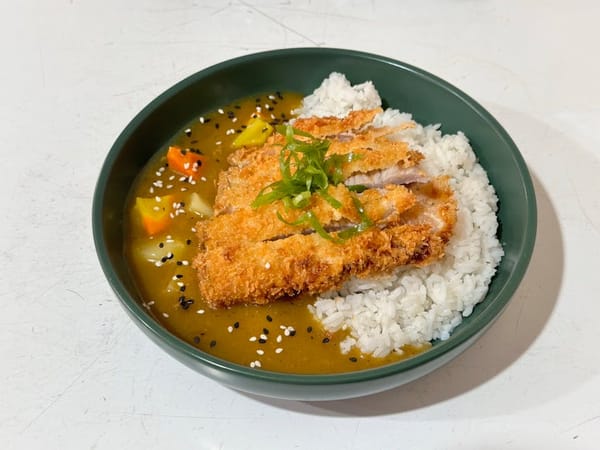
Japanese curry tastes nothing like Indian curry because it was never Indian curry. It arrived via the British Royal Navy and became something no one planned.
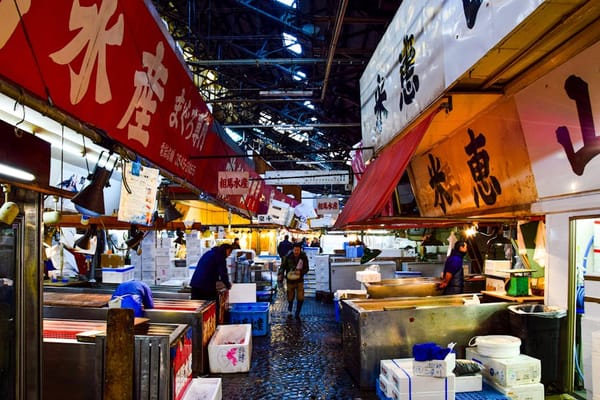
The inner market moved to Toyosu, but Tsukiji's outer market survived — and the best food stalls are better than ever without the wholesale chaos.
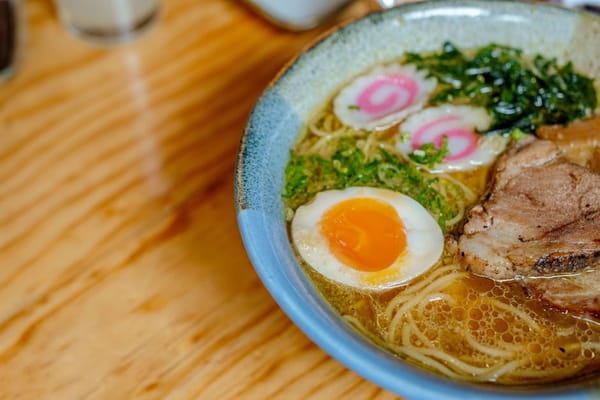
Japanese ramen isn't one dish — it's six completely different bowls depending on where you slurp them. A regional breakdown.