The Classification That Actually Matters
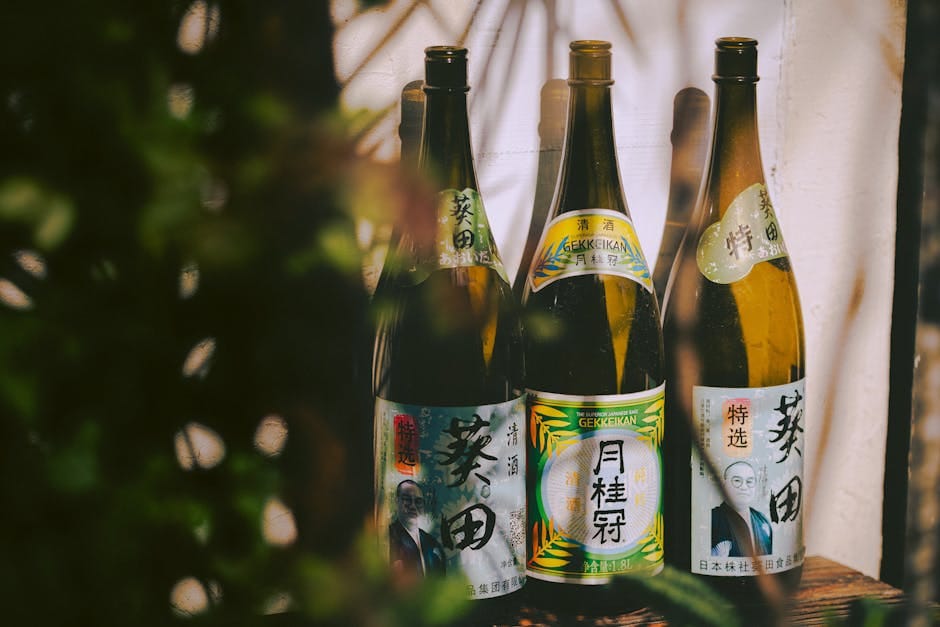
Standing in front of a sake display at a Japanese department store or liquor shop is an exercise in beautiful confusion. The bottles are elegant — frosted glass, minimalist labels, kanji characters that look like they mean something profound. They do mean something profound, and once you understand the classification system, the entire category opens up from "mysterious rice wine" to "a spectrum of flavors as diverse as wine." The good news: sake classification is simpler than wine classification. The entire system rests on two variables — how much the rice is polished, and whether the brewer added distilled alcohol. That's it. Everything else is technique, preference, and the brewer's art.
Here's the framework. Rice grains used for sake are polished (milled) to remove the outer layers, which contain fats, proteins, and minerals that produce rough, heavy flavors. The more you polish, the more you expose the starchy core, and the more delicate and aromatic the resulting sake. The degree of polishing is expressed as seimaibuai — the percentage of the rice grain that REMAINS after polishing. A seimaibuai of 70% means 30% of the grain was removed. A seimaibuai of 35% means a staggering 65% of the grain was milled away, leaving only the innermost starchy heart. Lower seimaibuai numbers mean more polishing, which generally (but not always) means more refined sake.
The Four Categories
Junmai — the word means "pure rice" — indicates sake made with only rice, water, koji mold, and yeast. No added alcohol. This is the purist's category, and junmai sake tends to be fuller-bodied, richer, and more rice-forward than styles that use added alcohol. There's no minimum polishing requirement for basic junmai, so the category includes everything from robust, earthy table sake to elegant, refined bottles. The unifying characteristic is weight — junmai sake feels substantial in your mouth, with a savory quality that pairs naturally with food. At room temperature or slightly warm, a good junmai reveals layers of rice, umami, and a gentle sweetness that makes it one of the most food-friendly beverages in existence.
Honjozo uses rice polished to at least 70% seimaibuai (30% removed) and adds a small amount of distilled alcohol during brewing — not to increase the alcohol content, but to extract aromatic compounds from the moromi (fermenting mash) that are alcohol-soluble and wouldn't otherwise make it into the finished sake. The result is lighter and more aromatic than junmai, with a cleaner finish. Honjozo is the everyday sake of Japan — affordable, versatile, excellent warm or cold — and it's criminally overlooked outside Japan in favor of the more prestigious ginjo and daiginjo categories. A good honjozo at ¥1,000-1,500 ($7-10) offers more drinking pleasure per dollar than almost any other alcoholic beverage.
Ginjo and Daiginjo: The Prestige Tiers
Ginjo sake requires rice polished to at least 60% seimaibuai (40% removed) and is brewed at lower temperatures for longer periods, which produces a distinctive fruity, floral aroma — the ginjo-ka — that's the hallmark of the style. Think of ginjo as sake's equivalent of fine wine: it's designed to be appreciated on its own as much as with food, and the best examples have aromatic complexity that rewards slow, attentive drinking. Aromas of melon, banana, apple, and sometimes white flowers are common. The texture is lighter than junmai, the finish is cleaner, and the overall impression is elegance rather than power.
Daiginjo is ginjo taken further: rice polished to at least 50% seimaibuai (50% removed), with the most extreme examples polishing to 23% (Dassai 23, one of the most famous daiginjo brands, removes 77% of each grain). At this level of polishing, the sake becomes almost ethereally light, with perfume-like aromas and a texture that's closer to spring water than wine. Daiginjo is sake as luxury product — a bottle of premium daiginjo can cost ¥10,000-50,000 ($69-345) — and it's best served chilled in a wine glass to capture the aromatics. Whether daiginjo is "better" than junmai is a matter of preference: some sake drinkers (and many brewers) argue that extreme polishing strips away character along with impurities, and that a well-made junmai or honjozo has more soul than a polished-to-infinity daiginjo. This is a legitimate position, and the best way to form your own opinion is to taste all four categories side by side.
The Junmai Prefix
Here's where first-timers get confused: "junmai" appears both as a standalone category and as a prefix. Junmai ginjo means ginjo sake with no added alcohol. Junmai daiginjo means daiginjo with no added alcohol. Regular (non-junmai) ginjo and daiginjo include the small addition of distilled alcohol used in honjozo. So the full grid looks like this:
Junmai (pure rice, any polishing) → Junmai Ginjo (pure rice, 60% polish) → Junmai Daiginjo (pure rice, 50% polish). Honjozo (alcohol added, 70% polish) → Ginjo (alcohol added, 60% polish) → Daiginjo (alcohol added, 50% polish). The junmai versions tend to be rounder and richer; the non-junmai versions tend to be lighter and more aromatic. Neither is inherently superior. They're different tools for different moments, and the best sake enthusiasts own bottles from across the spectrum.
Beyond Classification: What to Actually Order
If you're at a Japanese restaurant and the sake list is intimidating, here's the practical approach. For sushi: junmai ginjo, served cold. Its clean, slightly fruity character complements raw fish without overpowering it. For izakaya food (grilled meats, fried food, rich flavors): junmai, served at room temperature or slightly warm. Its body and umami match the food's intensity. For a standalone drink to sip and appreciate: daiginjo or junmai daiginjo, chilled, in a wine glass. For hot sake on a cold night: honjozo or basic junmai, heated to 40-45°C (104-113°F) — not boiling hot, which destroys the aromatics. If the restaurant offers a sake flight, take it. Three or four 60ml pours of different types, side by side, will teach you more about sake in 20 minutes than any article can.
The one sake to try if you try only one: Kubota Manju (junmai daiginjo, Niigata prefecture). It's widely available, moderately priced ($40-50 per bottle), and exemplifies the clean, elegant Niigata style that converted more Westerners to premium sake than any other brewery.
The Temperature Variable
Sake is one of the few alcoholic beverages that can be enjoyed across a wide temperature range — from 5°C (41°F) to 55°C (131°F) — and the temperature dramatically changes the experience. Cold serving suppresses aromas and accentuates crispness and acidity, making it ideal for aromatic sakes (ginjo, daiginjo) where you want the aromas released gradually as the sake warms in your mouth rather than hitting you all at once. Warm serving (kanzake) amplifies umami, sweetness, and body while softening acidity, making it ideal for richer sakes (junmai, honjozo) that benefit from a rounder presentation. The Japanese appreciation of warm sake is deep and seasonal — kanzake is a cold-weather ritual, and the process of heating sake in a ceramic tokkuri (flask) set in hot water is itself a contemplative, unhurried practice.
The Western default of serving all sake cold — or worse, microwaving it — misses the range of the beverage. A good junmai served at 45°C reveals notes of toasted grain, mushroom, and brown butter that the same sake served cold simply doesn't show. Heating sake is not a downgrade. It's a different experience, often a better one for food pairing, and the resistance to warm sake outside Japan is a cultural barrier worth breaking. Next time you're at a Japanese restaurant, order one cold sake and one warm. Compare them. The difference will rearrange your understanding of what sake can do.