Clay Pot Cooking Across Asia: When the Vessel Is the Ingredient
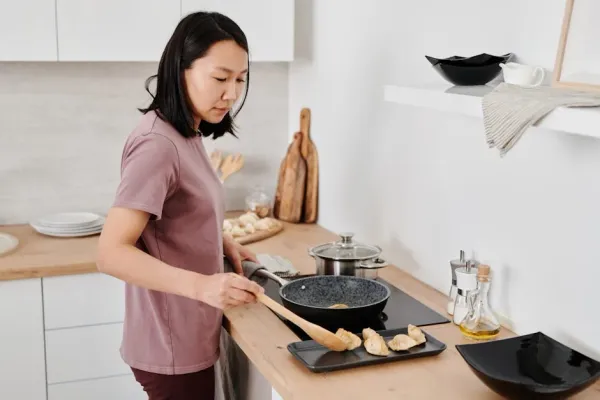
The clay pot isn't just a cooking vessel in Asian kitchens — it's an ingredient. The crusty rice at the bottom is the best part, and that's by design.
An in-depth culinary resource on the cuisines of East Asia—not for tourists, but for those who want to understand why food is the way it is. Each article explores the cultural, historical, or regional context behind a dish. The site covers street food, regional cuisines, food markets, restaurant culture, and culinary traditions.
The clay pot isn't just a cooking vessel in Asian kitchens — it's an ingredient. The crusty rice at the bottom is the best part, and that's by design.
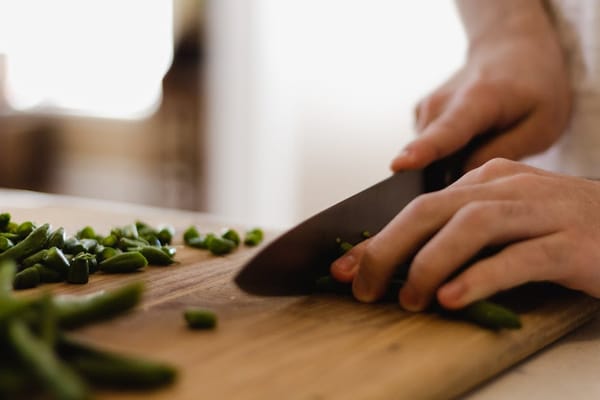
The Chinese cleaver does everything a Western knife block does, and it does it with a single blade. Here's the cutting philosophy that changes how Asian food cooks.
The chef flips a shrimp into his hat pocket, builds an onion volcano, and sears wagyu on a 250°C iron plate. Teppanyaki is theater. The food is the encore.
Ten minutes. Two ingredients. A stock so foundational that removing it from Japanese cuisine would be like removing harmony from music.
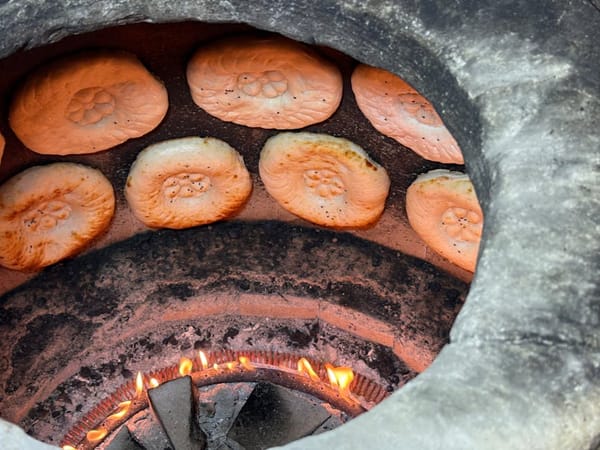
A clay oven reaching 480°C, a cook with asbestos hands, and a cooking method that hasn't changed in 5,000 years. The tandoor is primal cooking refined.
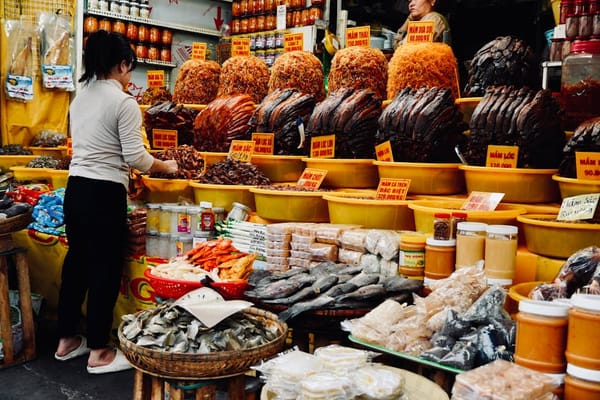
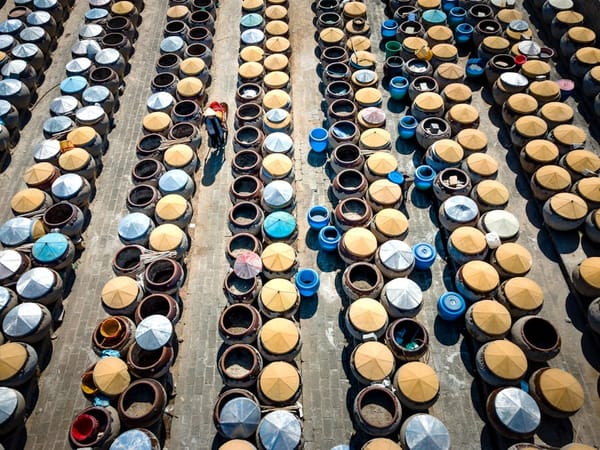
Almost everything that makes Asian food taste like Asian food involves fermentation. The technique is so pervasive it's invisible.
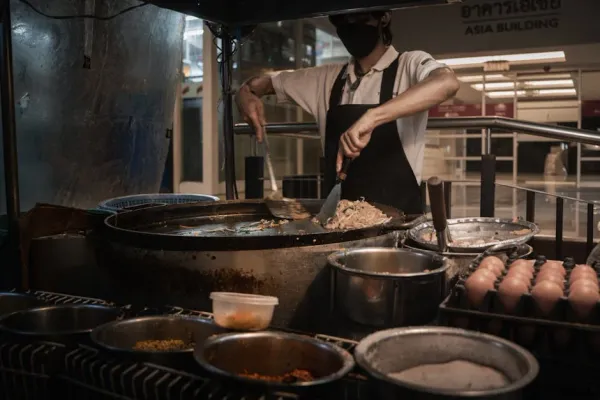
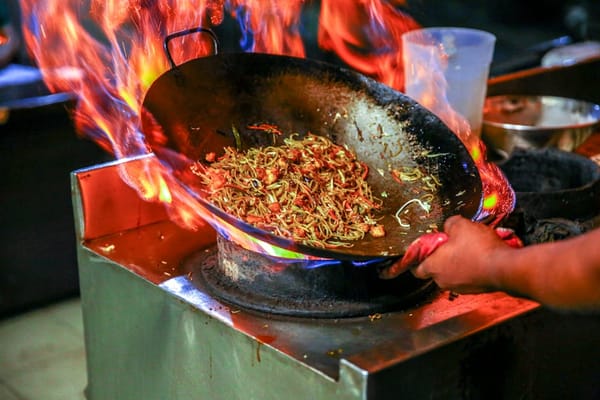
That charred, smoky, almost magical flavor in the best Chinese stir-fries has a name. Getting it right takes more heat than your kitchen was designed for.