The Wok's Breath: Chasing Wok Hei Across Asia's Street Kitchens
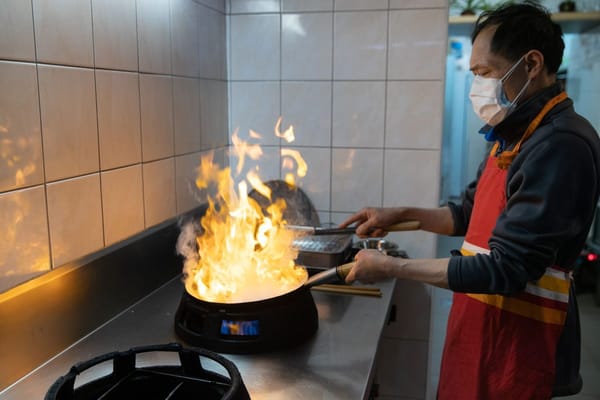
Wok hei is the smoky flavor Cantonese cooks call the wok's breath — and across Asia's street kitchens, it's a fading skill that separates a good cook from a great one.
An in-depth culinary resource on the cuisines of East Asia—not for tourists, but for those who want to understand why food is the way it is. Each article explores the cultural, historical, or regional context behind a dish. The site covers street food, regional cuisines, food markets, restaurant culture, and culinary traditions.
Wok hei is the smoky flavor Cantonese cooks call the wok's breath — and across Asia's street kitchens, it's a fading skill that separates a good cook from a great one.
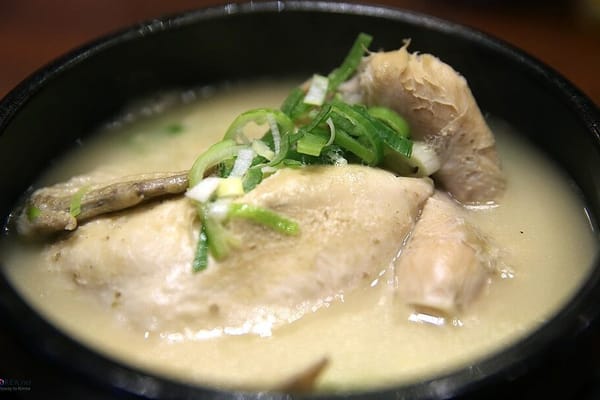
Jungbok fell on July 25 this year, and Malbok won't arrive until August 14 — a 20-day gap instead of the usual ten. A deep dive into Korea's sambok tradition, samgyetang's regional variants, and the ginseng economy behind the bowl.
Wheat, rice or buckwheat; twelve hours of broth or twelve minutes; scalding hot or packed with ice — the noodle bowl changes completely depending on which border you're standing in.
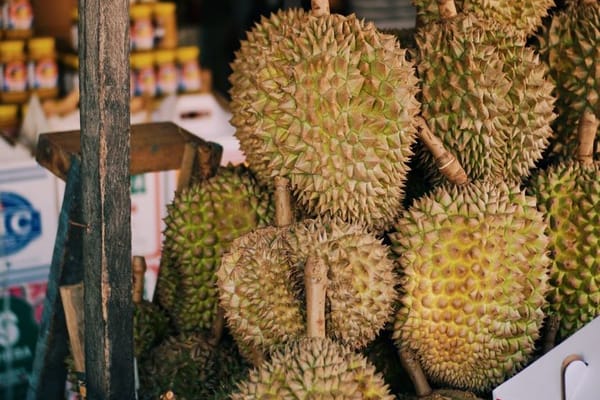
Durian growers don't check a calendar to know when the season starts — they check the sky. A journey through the fruit and dishes that only exist because the monsoon arrives on time.
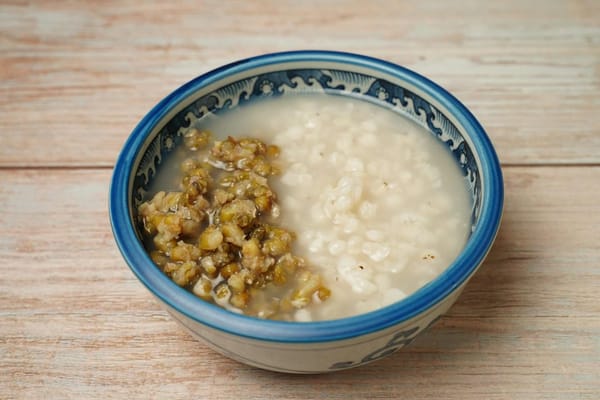
Guangzhou, Bangkok, Jakarta, and Seoul have each built their own version of rice porridge — and the differences in technique, toppings, and cultural meaning are significant enough that calling them all congee flattens something worth understanding.