One Dough, a Dozen Fires: How Wheat Became a Different Bread in Every Corner of Asia
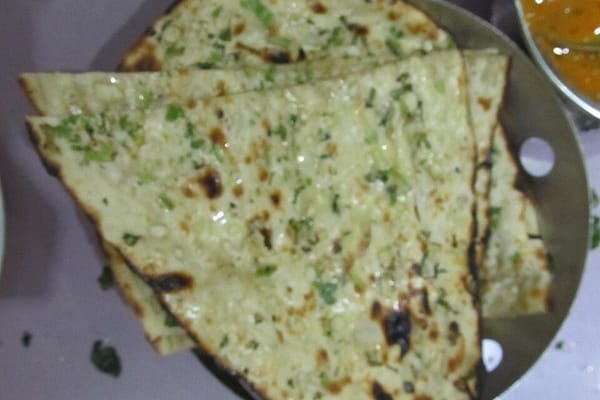
Naan, roti canai, Uyghur nan, jianbing and kottu roti all start from the same wheat dough – the fire underneath is what actually decides the bread.
An in-depth culinary resource on the cuisines of East Asia—not for tourists, but for those who want to understand why food is the way it is. Each article explores the cultural, historical, or regional context behind a dish. The site covers street food, regional cuisines, food markets, restaurant culture, and culinary traditions.
Naan, roti canai, Uyghur nan, jianbing and kottu roti all start from the same wheat dough – the fire underneath is what actually decides the bread.
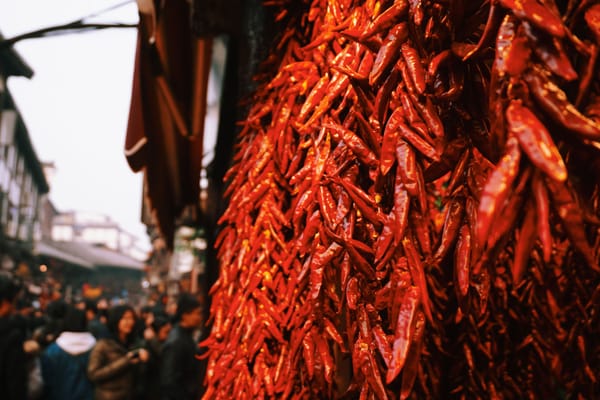
Sichuan's málà, Thailand's regional heat curve, Korea's sweeter gochugaru and Indonesia's hundreds of sambals — the same chili, reinvented across Asia.
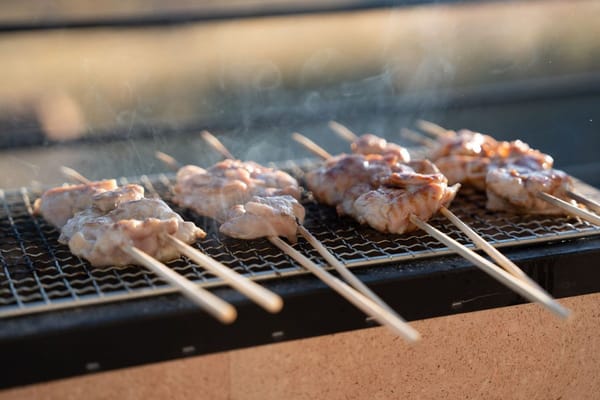
From yakitori counters to satay carts and lamb skewers on a Xi'an pavement, grilling over open flame is the thread running through Asia's street food. A look at why fire and a stick became the region's most democratic meal.
There is a particular sound that means dinner is close in half the cities of Asia: fat hitting charcoal, a
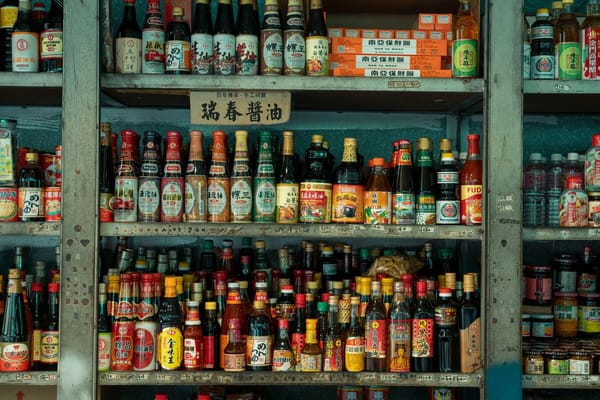
Most kitchens treat soy sauce as a single ingredient. Across East Asia it is a whole family of fermented sauces, each with its own job. Here is how to tell them apart.
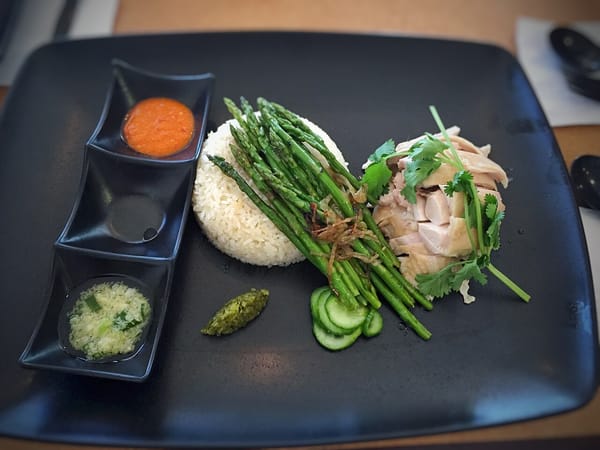
Hainan's Wenchang chicken — the historical ancestor of Singapore's hawker stall staple — would be unrecognisable to a Maxwell Food Centre customer in 2026. The dish migrated, hybridised and ultimately surpassed its origin. The story is the cleanest case study of culinary evolution in.