The Jar Goes Deeper Than You Think
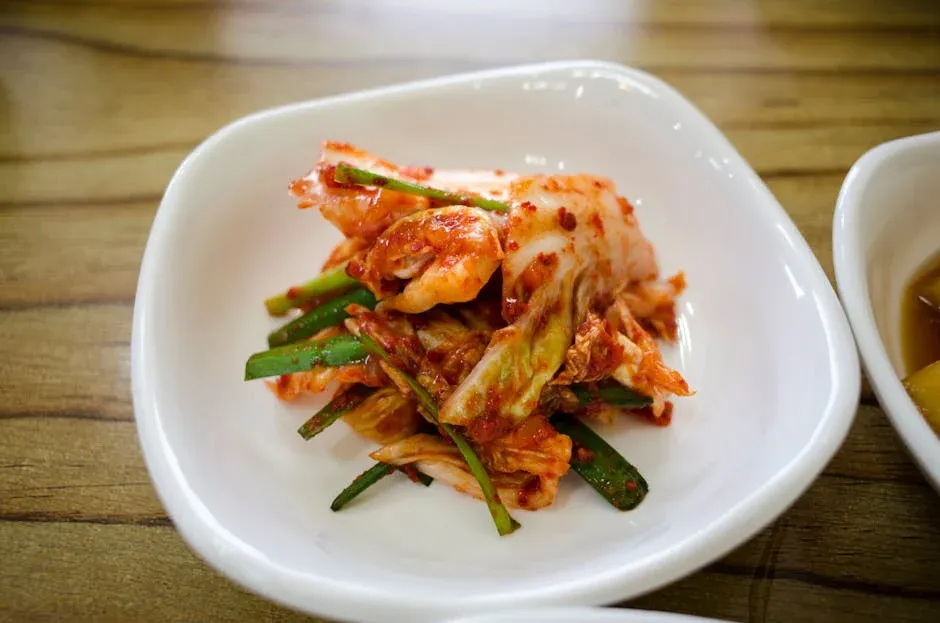
When most people outside Korea say "kimchi," they mean baechu kimchi — napa cabbage, quartered, salted, packed with a paste of gochugaru (red pepper flakes), garlic, ginger, fish sauce, and sometimes fermented shrimp, left to ferment until it's tangy, spicy, funky, and crunchy. It's magnificent, and it deserves every bit of its global fame. But reducing Korean kimchi to baechu kimchi is like reducing French cheese to brie. The actual kimchi landscape in Korea encompasses over 200 documented varieties, made from dozens of different vegetables and fruits, fermented for periods ranging from a few hours to several years, and varying so dramatically in flavor, texture, and appearance that some barely resemble each other. Understanding this spectrum transforms kimchi from a side dish into a window on Korean culinary philosophy.
The word kimchi comes from the Korean shimchae, meaning "submerged vegetables." The technique predates the introduction of chili peppers to Korea (which arrived via Portuguese and Japanese trade routes in the 16th and 17th centuries), meaning that for most of Korean history, kimchi wasn't red at all. The original versions were salt-brined vegetables fermented in their own juices — essentially a lactic acid fermentation similar to European sauerkraut but using a much wider variety of base ingredients and seasonings. The addition of chili transformed the tradition rather than creating it, and even today, a significant number of kimchi varieties use no chili at all.
Kkakdugi: The Cube That Outperforms
If baechu kimchi is Korea's most famous fermented vegetable, kkakdugi — cubed radish kimchi — is its most underrated. Made from Korean mu radish (larger, milder, and juicier than Japanese daikon), kkakdugi is cut into rough 2-centimeter cubes, salted, and mixed with the same gochugaru-based paste used for baechu kimchi, often with the addition of raw oysters or fermented shrimp for extra umami. The fermentation period is typically shorter than cabbage kimchi — three to five days at room temperature is common — and the result is a kimchi that's crunchier, juicier, and more immediately refreshing than its cabbage counterpart.
Kkakdugi is the traditional accompaniment to seolleongtang, the milky-white ox bone soup that Koreans eat for hangover recovery and cold-weather comfort. The reason for this pairing is precise: seolleongtang is deliberately bland, seasoned by the diner with salt and scallions at the table, and kkakdugi's sharp, spicy crunch provides the flavor contrast the soup needs. At Imun Seolleongtang in Jongno, Seoul — operating since 1904, making it one of Korea's oldest restaurants — the kkakdugi is fermented on-site in ceramic onggi jars and served as a bottomless side dish. It's peppery, fizzy with fermentation, and so crisp it squeaks between your teeth. Most customers eat as much kkakdugi as they do soup.
Oi Sobagi: Summer in a Cucumber
Oi sobagi — stuffed cucumber kimchi — is a seasonal preparation that appears in Korean homes and restaurants from late spring through early fall, when Korean cucumbers (shorter and thinner-skinned than English cucumbers) are at their peak. The cucumbers are scored in a cross pattern without cutting all the way through, creating a pocket that's stuffed with a filling of julienned radish, scallions, garlic, ginger, fish sauce, and gochugaru. The stuffed cucumbers ferment for just one to two days — barely enough time for the lactic acid bacteria to get started — producing a kimchi that's more fresh than funky, with the clean crunch of cucumber dominating.
The appeal of oi sobagi is its coolness. In Korean summer, when temperatures in Seoul regularly exceed 35°C with crushing humidity, the idea of eating heavily fermented cabbage kimchi can be unappetizing. Oi sobagi offers the same probiotic benefits and the same chili-garlic-fish sauce flavor profile but wrapped in a vehicle that feels hydrating rather than heavy. It's traditionally eaten the same day it's made or within two to three days, before the cucumber softens and loses its snap. This ephemerality is part of its charm — oi sobagi is kimchi as a fleeting summer pleasure, not a winter pantry staple. At Gwangjang Market in Seoul, the oi sobagi from the kimchi stalls near Gate 2 is made fresh each morning and often sells out by early afternoon.
Baek Kimchi: The White Exception
Baek kimchi — white kimchi — contains no chili pepper at all, making it visually and flavologically a completely different product from red kimchi. Napa cabbage is the base, but instead of gochugaru, the seasoning relies on garlic, ginger, Korean pear (for sweetness), pine nuts, jujube dates, and sometimes chestnuts. The vegetables are fermented in a brine rather than a paste, producing a clear, slightly fizzy liquid that doubles as a refreshing drink called kimchi mul. The flavor is clean, tangy, subtly sweet, and aromatic — closer to a cultured vegetable salad than to the aggressive funk of mature red kimchi.
Baek kimchi is historically associated with Korean royal court cuisine and special occasions, though today it's most commonly seen as an accompaniment to rich, fatty dishes where the aggressive flavors of red kimchi would compete rather than complement. It's spectacular alongside galbi (grilled short ribs) or samgyeopsal (grilled pork belly), where its acidity and clean vegetal flavor cut through the meat fat without overwhelming the palate. Making baek kimchi at home is actually easier than making baechu kimchi because the absence of chili paste means you can see exactly what's happening during fermentation. When tiny bubbles start rising in the brine — usually after two to three days at room temperature — it's ready. The pear in the seasoning breaks down during fermentation and adds a floral complexity that you won't find in any red kimchi.
Mul Kimchi and Dongchimi: The Liquid Ones
Not all kimchi is meant to be chewed. Mul kimchi (water kimchi) and dongchimi (winter radish water kimchi) are broth-based preparations where the fermented liquid is as important as — or more important than — the vegetables. Dongchimi uses whole small radishes submerged in a brine seasoned with garlic, ginger, scallions, and green chili (not gochugaru), fermented slowly over several weeks until the brine becomes effervescent and tangy. The brine is ice-cold, slightly sweet, and genuinely thirst-quenching in a way that no commercial beverage can match. In Korean tradition, dongchimi brine is the base liquid for mul naengmyeon, the cold buckwheat noodle soup that is one of Korea's great summer dishes.
At Wooraeoak in Jongno, Seoul, the naengmyeon arrives in a stainless steel bowl with ice crystals floating in dongchimi brine, the buckwheat noodles coiled tightly at the center, topped with thin slices of beef brisket, half a boiled egg, and julienned Korean pear. You cut the noodles with scissors (they're deliberately long), add mustard and vinegar to taste, and slurp. The dongchimi base provides a depth of flavor — tangy, earthy, slightly mineral — that plain broth could never achieve. This is kimchi as a structural element rather than a condiment, integrated so deeply into the dish that removing it would make the naengmyeon unrecognizable.
Yeolmu Kimchi: The Young Radish Rebel
Yeolmu kimchi, made from young summer radishes with their green tops still attached, is the punk rock of the kimchi world. The radishes are barely mature — thin, crunchy, and slightly bitter — and they're fermented quickly in a watery kimchi brine with gochugaru, garlic, and fish sauce. The result is bright, peppery, and slightly astringent, with a bite that more mature kimchis lack. Yeolmu kimchi is the traditional pairing for bibimbap (mixed rice with vegetables) and is essential alongside samgyetang (ginseng chicken soup) in the summer months. Its quick fermentation — often just one to two days — means it retains a fresh, green flavor that stands apart from the deep funk of aged baechu kimchi. At home, it's the easiest kimchi to make and the fastest to disappear.
The Onggi and the Philosophy
Traditional kimchi fermentation happens in onggi — unglazed earthenware crocks with a microscopic pore structure that allows gas exchange while preventing contamination. The onggi breathes, literally, creating a fermentation environment that modern glass jars and plastic containers can only approximate. The best kimchi in Korea is still made in onggi buried in the ground (or stored in kimchi refrigerators, the modern Korean appliance that mimics underground temperature conditions), and the difference between onggi-fermented and container-fermented kimchi is perceptible — the onggi version develops a more complex acidity and a cleaner finish.
Kimjang — the annual autumn kimchi-making tradition when Korean families prepare hundreds of heads of cabbage for winter storage — was designated a UNESCO Intangible Cultural Heritage in 2013. The practice has declined in urban areas (kimchi refrigerators and commercially available kimchi have reduced the practical need), but it persists in rural communities and among families who view it as a cultural obligation rather than a practical one. The philosophy underlying kimjang and the broader kimchi tradition is that fermentation is a collaboration between human intention and microbial agency — you create the conditions, but the lactobacillus does the work, and the result is something neither could produce alone.