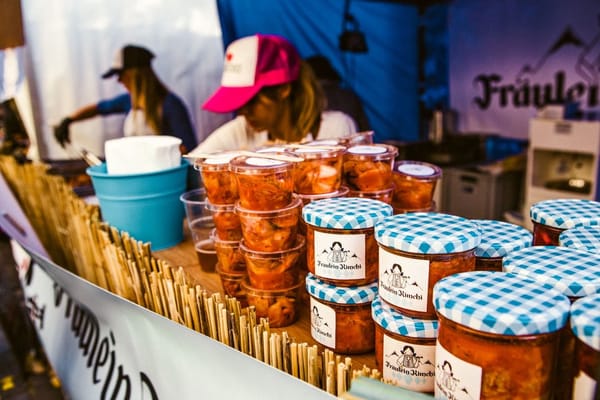
The Art of Fermentation: How Asia's Pantry Staples Depend on Time, Not Heat
From Korean kimchi to Japanese miso to Indonesian tempeh, the flavours that define Asian cooking are built by bacteria and mould working over months, not by heat.
An in-depth culinary resource on the cuisines of East Asia—not for tourists, but for those who want to understand why food is the way it is. Each article explores the cultural, historical, or regional context behind a dish. The site covers street food, regional cuisines, food markets, restaurant culture, and culinary traditions.
From Korean kimchi to Japanese miso to Indonesian tempeh, the flavours that define Asian cooking are built by bacteria and mould working over months, not by heat.
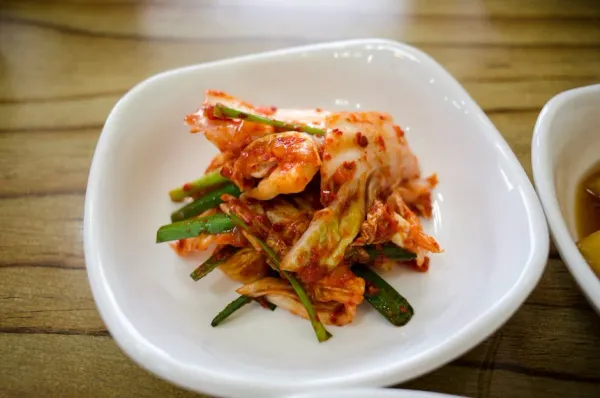
Korean banchan, Japanese tsukemono, Indian achar and Sichuan paocai all share one job: they keep an Asian meal balanced. A close look at the side dishes that build the table.
There are over 200 documented varieties of kimchi in Korea. The cabbage version on your table is the opening act, not the whole show.