The Hidden Allergen Problem
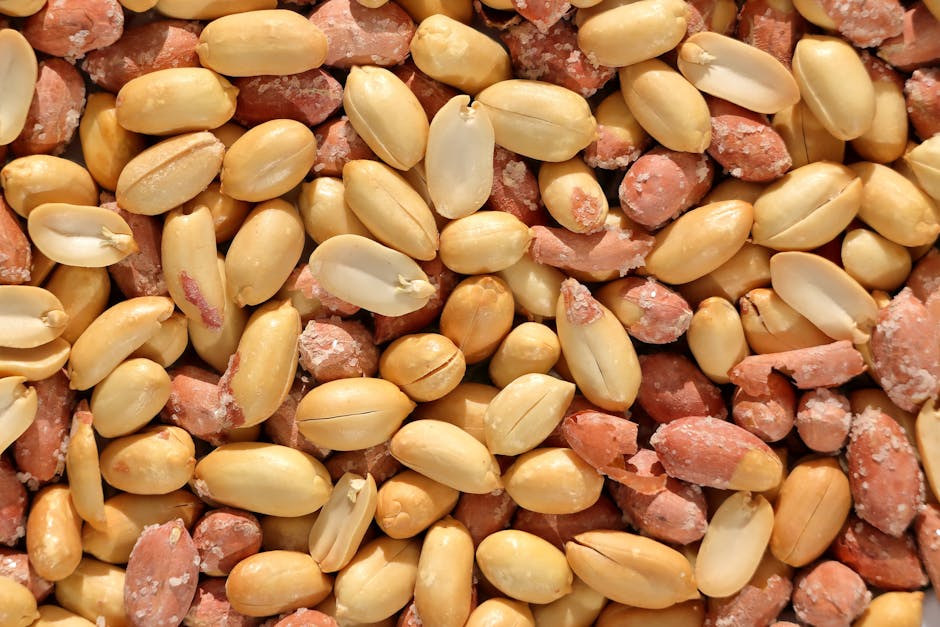
Managing food allergies while traveling in Asia ranges from straightforward to genuinely dangerous, depending on the allergy, the country, and the dining context. The fundamental challenge is that many of Asia's most common cooking ingredients — soy sauce (wheat, soy), fish sauce (fish), oyster sauce (shellfish), peanut oil (peanuts), sesame oil (sesame), shrimp paste (crustaceans) — are used so ubiquitously and in such small quantities that cooks often don't think of them as "ingredients" at all. Asking "does this contain peanuts?" at a Thai street stall might get a genuine "no" from a vendor who doesn't consider the peanut oil in the wok or the crushed peanuts in the sauce to be "peanuts in the dish" because they're standard, unremarkable components of the cooking process. The allergen isn't hidden deliberately — it's hidden by its own ordinariness.
This is not a reason to avoid traveling in Asia with food allergies. It's a reason to prepare thoroughly, communicate precisely, and carry appropriate medication. Millions of people with food allergies travel safely through Asia every year. But the preparation required is more extensive than traveling in, say, Europe or Australia, where allergen labeling is standardized and restaurant staff are trained to handle allergy inquiries. In Asia, the infrastructure varies dramatically by country, and the strategies that work differ accordingly.
Country-by-Country: The Allergen Landscape
Japan has the best allergen labeling in Asia. Since 2002, Japanese food labeling law has required the declaration of seven major allergens (wheat, buckwheat, egg, milk, peanut, shrimp, crab) on all packaged foods, with an additional 21 recommended allergens that most manufacturers include voluntarily. Restaurant allergen communication is improving: many chain restaurants provide allergen charts, and hotel restaurants typically accommodate allergy requests if notified in advance. The main hidden allergen risk in Japan is wheat (in soy sauce, which is used in nearly everything) and buckwheat (soba noodles, which are sometimes served alongside wheat noodles at the same restaurants, with shared cooking water).
South Korea introduced mandatory allergen labeling for 22 items in 2020, covering packaged foods and some restaurant chains. Street food and independent restaurants don't typically provide allergen information, and the ubiquity of sesame, soy, and shellfish in Korean cooking makes these allergies particularly challenging. Sesame oil is used in virtually every Korean dish. Soy sauce is standard. Fermented shrimp (saeujeot) appears in many kimchi recipes and isn't always obvious. For travelers with sesame allergies, Korea is one of the most difficult destinations in Asia.
The Big Five Asian Allergens
The most commonly problematic allergens for travelers in Asia are peanuts, shellfish/crustaceans, soy, sesame, and wheat. Each has specific risk patterns. Peanuts: highest risk in Thai, Vietnamese, Malaysian, and Indonesian cuisines, where peanut oil is a common cooking fat and ground peanuts appear in sauces (satay sauce, pad thai garnish, gado-gado). The risk is lower in Japanese and Korean cuisines, where peanuts are used less frequently. Peanut allergies in Asia require particular vigilance because peanut oil is sometimes used as a default frying oil without being mentioned.
Shellfish and crustaceans: the highest-risk allergens in Asia overall, because shrimp paste, oyster sauce, and dried shrimp are used as seasoning agents (not main ingredients) across Thai, Chinese, Vietnamese, Malaysian, and Filipino cuisines. A stir-fried vegetable dish that appears shellfish-free may contain oyster sauce. A curry paste may include shrimp paste. A Vietnamese dipping sauce contains fish sauce (which is made from fish, not shellfish, and is generally safe for people with shellfish allergies — but cross-contamination at production facilities is a concern for those with severe allergies).
Practical Strategies
The single most effective tool for managing food allergies in Asia is a printed allergy card in the local language. Several services (SelectWisely, Equal Eats, Allergy Translation) produce laminated cards that explain specific allergies in the local language and script. These cards are more effective than verbal communication because they can be shown directly to the cook (not just the server), they use precise medical language rather than casual descriptions, and they're unambiguous in a way that spoken communication across a language barrier often isn't. Carry multiple copies. Show them at every meal. Don't rely on the server's verbal confirmation alone — insist that the card reaches the kitchen.
Essential allergy phrases:
Japanese: _____ arerugi ga arimasu (I have a _____ allergy)
Korean: _____ allereugi-ga isseumnida (I have a _____ allergy)
Thai: phom/dichan phae _____ (I am allergic to _____)
Mandarin: wo dui _____ guomin (I am allergic to _____)
Beyond language cards, several strategies reduce risk. Eat at restaurants rather than street stalls when possible — restaurants have more control over ingredients and are more accustomed to allergy requests. Choose cuisines strategically: Japanese and Korean restaurants tend to have more standardized ingredient lists than Thai or Chinese stalls, where recipe improvisation is common. Avoid buffets and shared-cooking-oil contexts (hot pot, communal frying). Cook some meals yourself using ingredients from supermarkets where you can read labels. And carry your emergency medication (epinephrine auto-injector, antihistamines) at all times — not in your hotel room, not in your luggage, on your person.
The Soy Sauce Wheat Problem
For people with celiac disease or wheat allergies, soy sauce is a constant challenge in Asia because standard soy sauce is made from wheat and soybeans. The wheat content in naturally brewed soy sauce is debated: during fermentation, the wheat proteins are largely broken down, and some studies suggest that naturally brewed soy sauce contains gluten levels below the threshold that triggers celiac reactions. However, the medical consensus recommends avoiding standard soy sauce for celiac patients, which effectively eliminates most Japanese, Korean, and Chinese restaurant food unless you bring your own tamari (wheat-free soy sauce, available in health food stores) and ask the kitchen to use it instead of standard soy sauce.
This is a significant practical challenge. Soy sauce is used in virtually every savory preparation across East Asian cuisines, and asking a restaurant kitchen to substitute one soy sauce for another — especially during a busy service — is an unusual request that may not be accommodated. The most reliable approach for severe wheat allergies in East Asia is to eat at restaurants that specifically advertise gluten-free options (a small but growing number in Tokyo, Seoul, and major cities), cook your own meals, or focus on cuisines where soy sauce is less central (Thai food uses fish sauce more than soy sauce; Vietnamese food similarly relies on fish sauce and lime).
The Improving Landscape
Asia's allergen awareness is improving rapidly, driven by international tourism, increasing domestic allergy diagnoses (food allergies are rising across Asia, possibly linked to changing diets and environmental factors), and government regulation. Japan leads in labeling. Singapore has introduced allergen awareness training for food service workers. Thailand's Department of Health has published allergen guidelines for restaurants in tourist areas. Korea's labeling expansion in 2020 was a significant step. The trajectory is positive, but the gap between regulation and practice — between what the law requires and what the street vendor with three dishes and no ingredient list actually does — remains significant in most Asian countries. Planning, preparation, and communication fill that gap. The allergic traveler who arrives in Asia with translation cards, medication, and a clear understanding of where the hidden allergens live in each cuisine will eat safely, eat well, and eat the extraordinary food that makes traveling in Asia worth every complication.