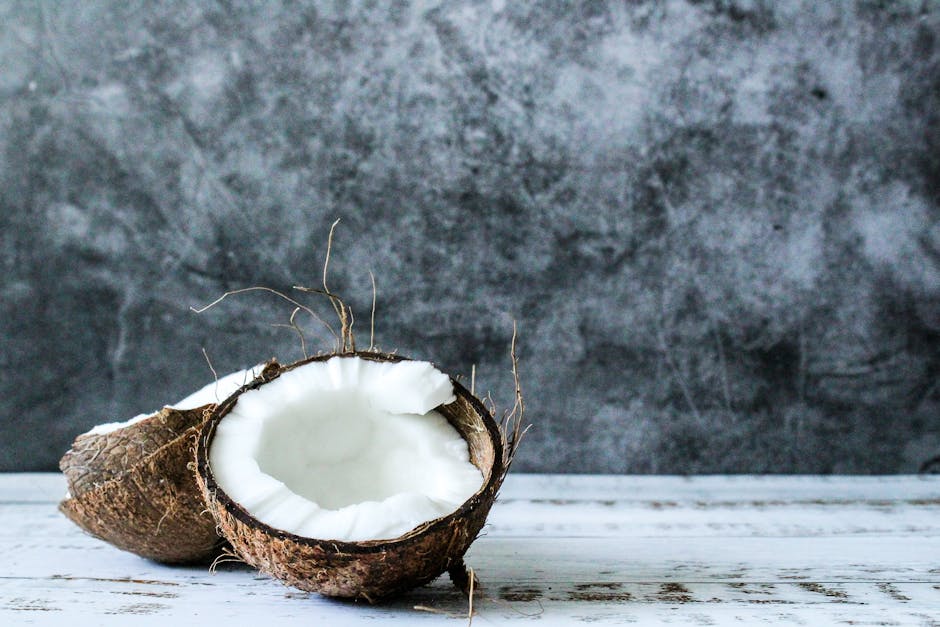
The Fat That Defines a Region
There is a line across Asia, roughly corresponding to the 15th parallel north, below which coconut palms grow and above which they don't. Below that line — Thailand, Malaysia, Indonesia, the Philippines, Sri Lanka, southern India, Cambodia, Vietnam, Myanmar — coconut milk is the foundational cooking fat. Above it — China, Japan, Korea — it barely registers. This geographic fact explains more about the difference between East Asian and Southeast Asian cooking than any other single factor. The cuisines below the coconut line are richer, more lubricious, more curry-based, and more reliant on the emulsion of fat and water that coconut milk provides. The cuisines above it are leaner, more soy-sauce-based, more reliant on rendered animal fat or vegetable oil. Coconut milk didn't just influence Southeast Asian cooking — it made it possible.
Coconut milk is not the liquid inside a coconut (that's coconut water). It's made by grating the white flesh of a mature coconut, soaking the grating in hot water, and squeezing the liquid through cloth. The first pressing — concentrated, thick, and rich — produces coconut cream (the fatty layer that separates to the top of a can of coconut milk). Subsequent pressings with more water produce progressively thinner coconut milk. A single mature coconut yields about 250ml of cream and 500ml of thin milk. In traditional Southeast Asian cooking, these are used at different stages: thin coconut milk goes in early as the cooking liquid, and coconut cream is added at the end for richness and body. This two-stage technique produces a curry with layered richness rather than monotone heaviness.
The Curry Foundation
Every Thai, Malaysian, and Indonesian curry starts the same way: spice paste (curry paste, rempah, bumbu) is fried in the fat that rises to the top of coconut cream. When the cream is heated, the oil separates from the solids, and this coconut oil is the medium for frying the aromatic paste. The paste sizzles in the oil for 3-5 minutes until fragrant and the oil starts to bead on the surface (a stage Thai cooks call "cracking the coconut cream"), then the remaining coconut milk is added to create the curry sauce. This technique — frying in coconut fat, then diluting with coconut milk — produces a sauce that's aromatic (the paste's volatile compounds have been bloomed in hot oil), rich (the coconut fat provides body), and emulsified (the coconut milk's natural emulsifiers prevent the sauce from separating).
The quality of the coconut milk matters enormously and is the single biggest variable in home curry making. Good coconut milk — thick, rich, with a clean coconut aroma — produces a curry with body and flavor. Thin, watery coconut milk produces a curry that tastes like vaguely coconut-flavored water. The canned brands vary widely: Aroy-D and Chaokoh (both Thai) are consistently thick and flavorful. Mae Ploy and some store brands are thinner and less flavorful. Check the ingredient list: coconut extract and water is what you want. Anything with guar gum, emulsifiers, or preservatives is a compromise. And always — always — shake the can before opening, because the cream separates from the water during storage and needs to be recombined.
The Rendang Method
Indonesian rendang represents the extreme end of coconut milk cooking: a curry that's cooked so long that the liquid evaporates entirely and the meat (traditionally beef, though chicken and lamb versions exist) is essentially braised in coconut oil. The process takes 4-6 hours of patient, periodic stirring over low heat. As the coconut milk reduces, it passes through several stages: from a thin, soupy curry (this stage is called kalio and is a legitimate dish in its own right) to a thick, coating sauce, and finally to a dry, intensely flavored preparation where the concentrated spice paste and coconut residue have formed a dark, rich crust around each piece of meat.
The transformation that coconut milk undergoes during this process is remarkable. The sugars caramelize. The proteins brown. The fat renders out and fries the spices. The Maillard reaction produces hundreds of new flavor compounds. The result is a dish with a complexity that bears almost no resemblance to its starting point — the same ingredients that produced a light, coconut-scented curry at hour one produce a dark, intense, almost chocolate-like depth at hour four. Rendang is one of those dishes that rewards patience disproportionately: the difference between a 2-hour rendang and a 4-hour rendang is not twice as good — it's a different dish entirely. Use full-fat coconut milk. Don't rush it. The coconut milk will tell you when it's done by how quiet the pot gets — when the bubbling stops and the only sound is the gentle sizzle of meat frying in coconut oil, you're there.
The Dessert Side
Coconut milk's role in Southeast Asian desserts is as foundational as its role in savory cooking. Mango sticky rice (coconut cream-dressed rice). Cendol (coconut milk over shaved ice). Che (Vietnamese sweet soups with coconut milk). Klepon (Indonesian glutinous rice balls filled with palm sugar, coated in coconut). Bibingka (Filipino coconut rice cake). Thai coconut ice cream. In every case, the coconut milk provides richness, sweetness, and a flavor that bridges the gap between the primary ingredient and the dessert format. A mango without coconut cream is just a mango. A mango with coconut cream is a dessert.
The fat content truth: Full-fat coconut milk contains about 17-24% fat. This is comparable to light cream. It is not low-fat, it is not diet food, and it should not be substituted with "light" coconut milk in recipes designed for full-fat. The fat IS the point — it carries the flavor compounds, creates the texture, and provides the richness that defines the dish. Using light coconut milk in a Thai curry is like using skim milk in a cream sauce. It works technically. It fails experientially.
Buying and Storing
Canned coconut milk (400ml cans) is the practical choice for most home cooks. It's consistent, affordable ($1.50-3 per can at Asian grocery stores), and has a shelf life of 2-3 years. Fresh coconut milk — pressed from freshly grated coconut — is superior in flavor (brighter, more aromatic, less "cooked" tasting) but spoils within 2-3 days and is only available in areas with a Southeast Asian grocery presence. Carton coconut milk (the kind sold in the dairy aisle next to oat milk and almond milk) is diluted to a much lower fat content and is designed for drinking, not cooking. Using carton coconut milk in a curry is a mistake that will produce a thin, watery sauce. Use canned. Always canned.
Once opened, coconut milk should be used within 3-4 days if refrigerated, or it can be frozen in ice cube trays for up to 3 months (each cube is roughly 2 tablespoons, making it easy to add small amounts to dishes). The cream that solidifies at the top of a refrigerated can is coconut cream — scoop it out and use it for the initial paste-frying step, or whip it into a dessert topping (it whips like heavy cream if it's cold enough, though it doesn't hold as long). Waste nothing. A can of coconut milk, properly used, is the cheapest ingredient that produces the biggest flavor impact in your kitchen.