festivals
Chuseok and Obon: How Harvest Festivals Shape Asian Food Traditions
Harvest festivals across Asia share a common truth: the table tells the story of the year. These are the dishes that carry that story.
An in-depth culinary resource on the cuisines of East Asia—not for tourists, but for those who want to understand why food is the way it is. Each article explores the cultural, historical, or regional context behind a dish. The site covers street food, regional cuisines, food markets, restaurant culture, and culinary traditions.
Harvest festivals across Asia share a common truth: the table tells the story of the year. These are the dishes that carry that story.

Buddhist vegetarian cooking has been doing what modern plant-based restaurants charge premium prices for — making vegetables the entire point — for over a thousand years.
The word 'rice cake' does tteok no justice. These are chewy, fragrant, sometimes sweet, sometimes savory creations that anchor Korean celebrations and daily life alike.
The Kansai-Kanto divide isn't just about geography. It's a philosophical disagreement about what food should be, fought with dashi and soy sauce.
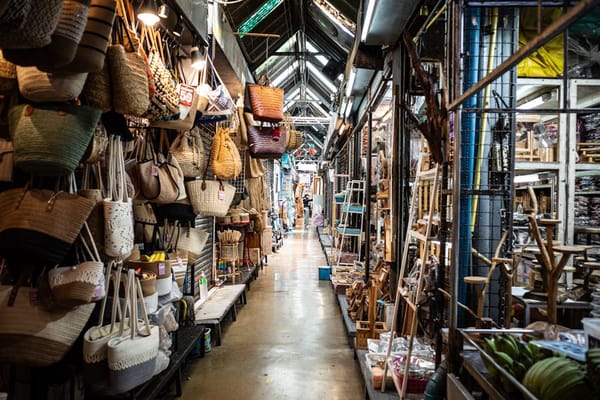
Everyone knows Chatuchak for shopping. The regulars know it for the food sections that most visitors walk right past.
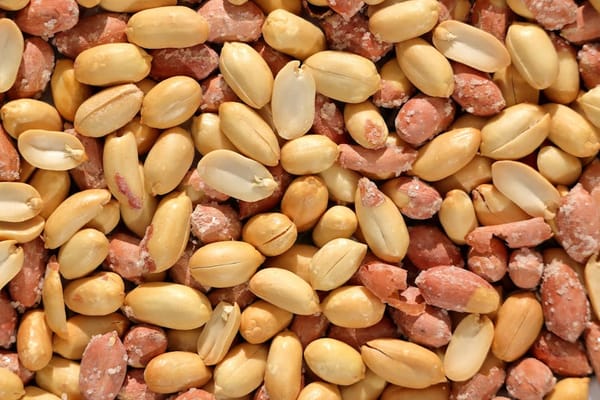
Peanut oil in the wok, shrimp paste in the curry, wheat in the soy sauce. Managing food allergies in Asia requires knowledge that guidebooks skip.
The clay pot isn't just a cooking vessel in Asian kitchens — it's an ingredient. The crusty rice at the bottom is the best part, and that's by design.
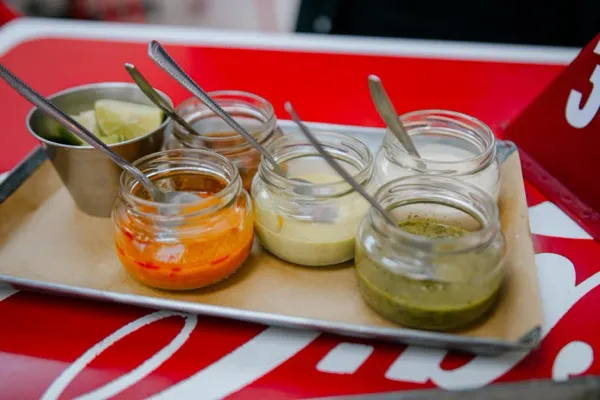
Soy sauce arrived in Europe before tea, left fingerprints on Worcestershire sauce and ketchup, and traveled the same trade routes as silk and silver.
They cost a fortune, half of them get re-gifted, and they symbolize everything from family reunion to political rebellion. Mooncakes are China's most complicated dessert.
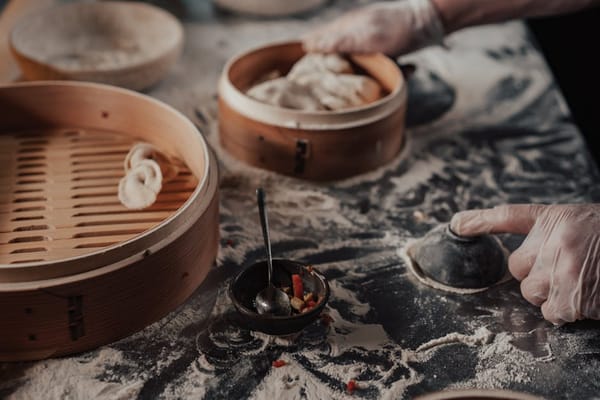
Korean convenience stores sell fresh kimbap, hot ramen cooked at the counter, and fried chicken that rivals actual restaurants. This is not a joke.
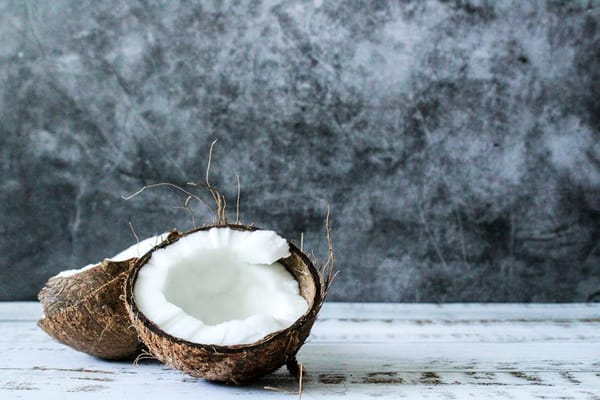
Coconut milk is to Southeast Asian cooking what butter is to French cooking: the fat that makes everything possible. Stop diluting it.
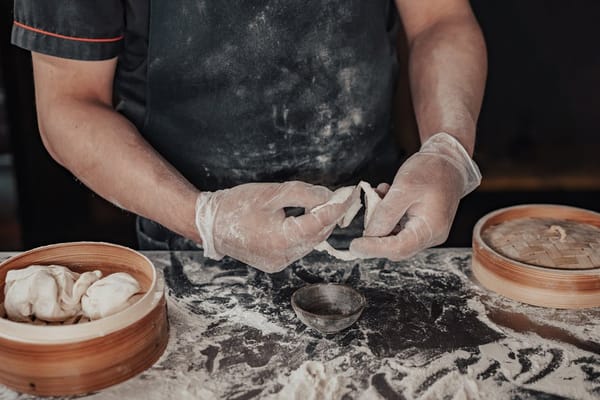
Filipino street food is bold, vinegar-soaked, and fearlessly offal-heavy. Manila's stalls serve food that challenges, rewards, and refuses to play it safe.