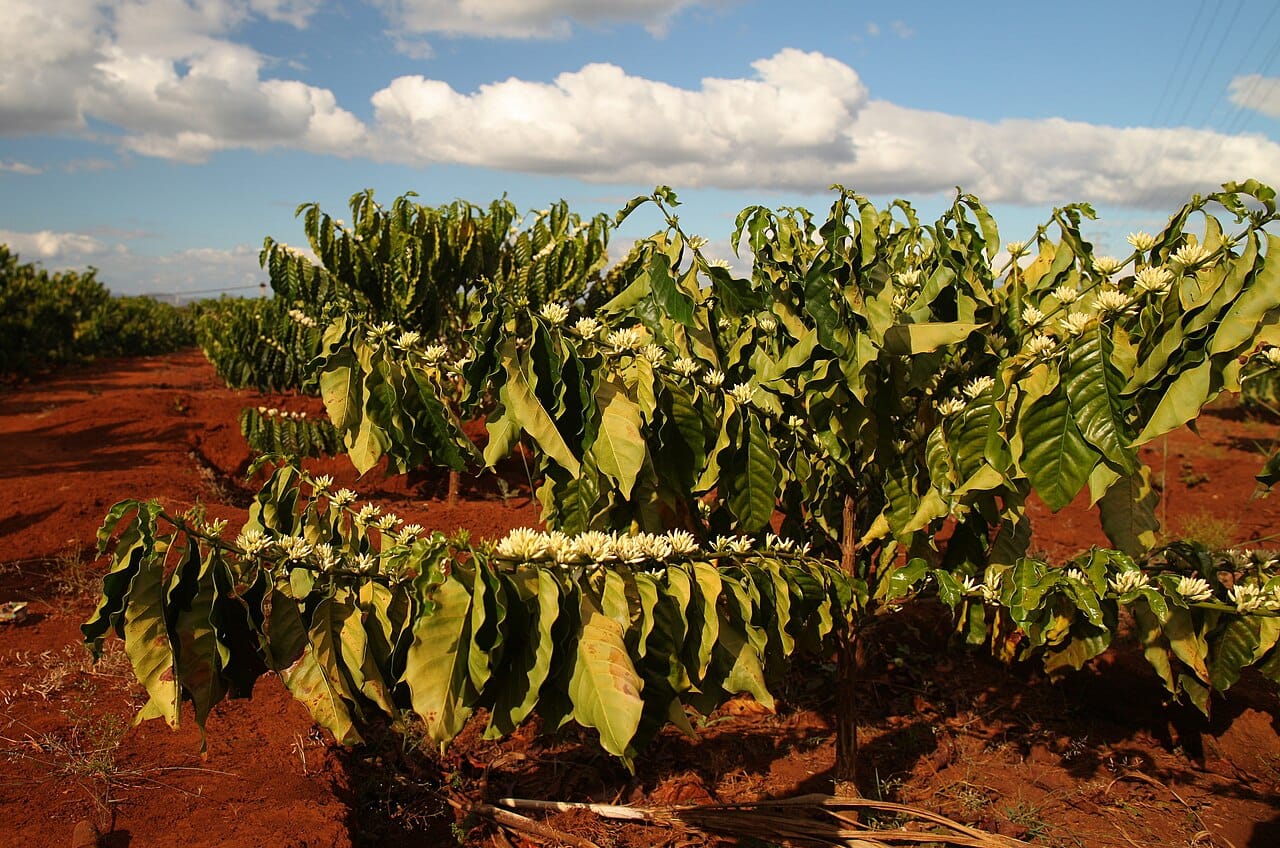
For most of the past decade, the story of Asian coffee was a story of consumption. China overtook Germany as the world's third-largest specialty coffee importer in 2024, Japan's chain density rivalled Italy's, Korea's per-capita figure quietly passed Sweden's. The producer side of Southeast Asia stayed parked in commodity Robusta export figures — until early 2026, when Bali, Chiang Mai and Da Lat collectively exported 11,400 tonnes of specialty-grade Arabica in Q1, beating Ethiopia's same-quarter shipment for the first time recorded.
What changed in the supply chain
Three things, none of them recent but all of them finally compounding. First, the regional shift from honey-process to anaerobic and natural processing — a quality leap that Bali producers led after 2020 and Vietnamese producers around Da Lat followed two years behind. Second, the certification and traceability infrastructure built by regional NGO networks reached coverage of more than 60% of specialty volume in 2025. Third, and most importantly, the regional roasting and brewing culture — the cafes themselves — has matured to the point where the best beans are now consumed domestically rather than exported wholesale to Tokyo or Seoul.
The cafes shaping the new triangle
In Ubud (Bali), Anomali Coffee's roastery has been pulling in international roasters as guests for two years. In Chiang Mai, Akha Ama Coffee has expanded from a single shop in 2010 to a regional roast cooperative supplying 80 cafes across northern Thailand. In Da Lat, the second-generation farmers who returned from Australian training programmes after 2018 are now running both farm and cafe operations — La Viet Coffee being the visible flagship, but the smaller K'Ho Coffee and Là Việt Đà Lạt cooperative the more interesting structural story.
What the Q1 2026 export numbers actually mean
The Ethiopia comparison is partly seasonal — Q1 is Ethiopia's between-harvest period — but the underlying volume growth is real and structural. Vietnam's specialty Arabica production from Lâm Đồng and Kon Tum provinces grew 38% year-on-year in 2025. Indonesian specialty Arabica from Bali and northern Sumatra grew 22%. Thai specialty production grew 17% from a much smaller base. The combined regional volume is on track for 48,000 tonnes in calendar 2026.
The trade-flow change matters more than the volume. Until 2023, roughly 70% of Southeast Asian specialty coffee left as green beans to Japanese, Korean and European roasters. In 2025, that share dropped to 58%, and the regional roaster network (Jakarta, Bangkok, Manila, Ho Chi Minh City, Singapore) took up the difference. Asian consumers are drinking Asian beans roasted within Asia for the first time at scale.
What to drink, if you are in the region this season
Anaerobic-process Kintamani from Bali at Anomali in Ubud, served as a clean filter — the apricot and cocoa nib character is fully developed only with the long process. Chiang Mai Doi Chaang single-origin at Graph Cafe in the old city — try the lactic-natural variant if it is in season. Da Lat Catuai from La Viet's tasting menu, ideally as the third cup on a flight to compare against their honey-process Bourbon.