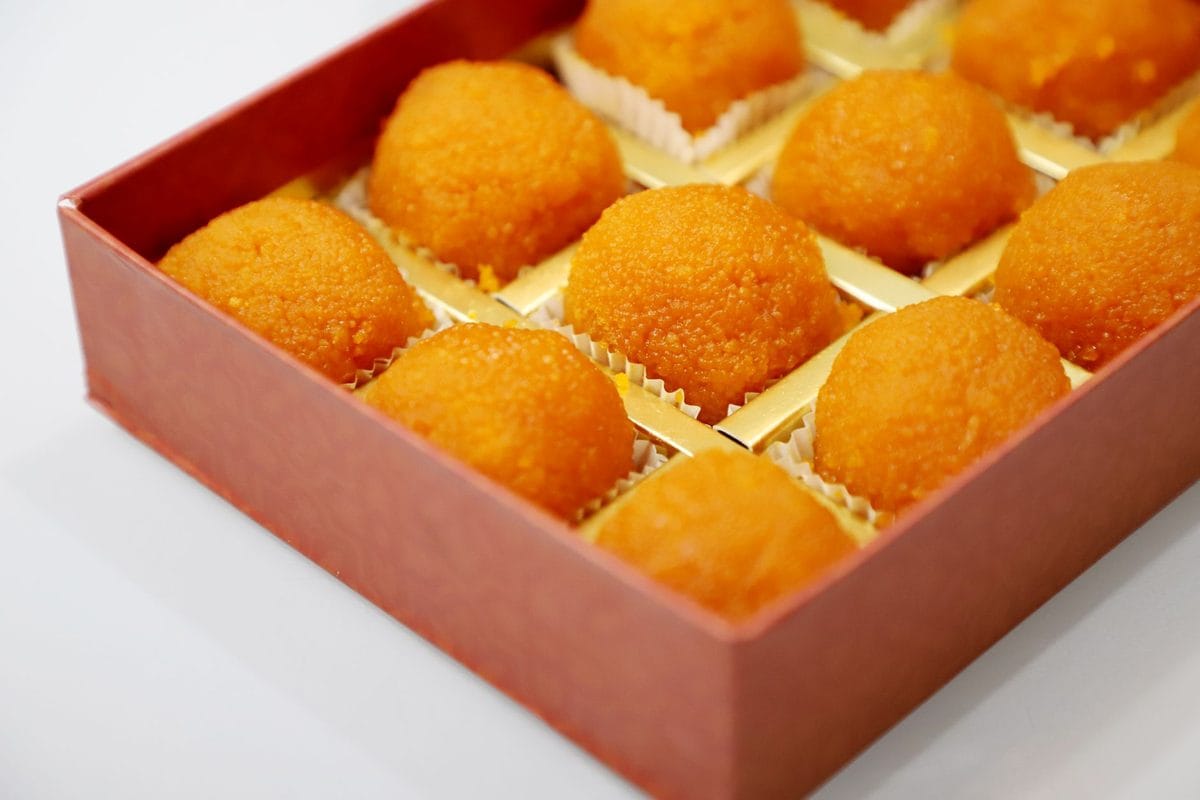
In the week before Diwali, a sweet shop on a busy street in Delhi or Jaipur looks more like a jewelry counter than a bakery. Trays of pedha, barfi and gulab jamun sit under glass, each piece cut to the size of a fingertip. Behind the counter, staff tie stacks of cardboard boxes with string while customers queue out onto the sidewalk. The main day, Lakshmi Puja, falls on Sunday, November 8, 2026, and for most families that date sets off a round of gifting that runs through the whole week.
Why the box matters more than the sweet
Mithai is the general word for Indian sweets, and it sits at the center of Diwali in a way that is hard to explain to someone who thinks of dessert as an afterthought. Boxes go to relatives, colleagues, neighbors and the family who looked after the house while everyone was away. The gift is the box itself. A plain card with a handwritten name often does more work than the sweets inside, because the box tells the recipient how much time and money the giver was willing to spend. That is why a shop's packaging gets as much attention as its recipes.
The same logic has created a market of premium boxes. The Delhi-NCR label Khoya Mithai has launched a box of 30 pista katli finished with 24-karat gold foil, priced at ₹21,000, which is roughly $240 at recent exchange rates. Its mid-range box of 16 pieces sells for ₹1,800, about $20. The spread between those two prices is the whole point. The tradition can mean a modest thank-you or a showpiece that a family spends a month's savings on, and both are treated as correct.
The milk that holds everything together
Most of the classic sweets rest on one ingredient that few visitors have heard of.
Khoya, also spelled khoa, is milk that has been cooked until nearly all the water is gone. The method is slow and unforgiving. Whole milk simmers in a wide, shallow iron pan for several hours, and the cook keeps the heat moderate, around 80 °C (180 °F), to stop the solids from scorching on the bottom. Traditional khoya is finished when the volume has dropped to about one-fifth of the original. What remains is a soft, pale, slightly grainy solid, and it can be made from cow's milk or water buffalo milk. Shortcuts exist, such as stirring milk powder into skimmed milk and heating it until thick, but the result does not match the traditional version closely.
Pedha, barfi and gulab jamun all depend on it. Pedha is khoya shaped into small discs or domes and sweetened, often with cardamom in the background. Barfi is khoya pressed into a flat slab and cut into diamonds or squares, sometimes topped with pistachio or almond. Gulab jamun uses a khoya dough rolled into balls, fried, and then soaked in sugar syrup. Add ghee and a scatter of nuts, and you have most of the window display in front of you.
Why a sweet shop beats most home kitchens
Making khoya at home is an afternoon of stirring a pan that threatens to scorch at any moment. Most families who try it once quietly go back to buying. The shop has the pan, the trained hands and the cold room, and the cold room matters because of how khoya keeps. Khoya made in winter can be stored and used in summer, but over time it may develop a green tinge and a grainier texture from a harmless surface mold called hariyali. Refrigeration has made hariyali rare, which means you will mostly meet it in older batches or in khoya that has been left out too long.
This is where the home-cook argument gets complicated. A fresh batch made in your own kitchen for a family gathering can be excellent, provided you eat it within a few days. Shop-bought mithai, on the other hand, comes with a date that most buyers never check. Ask the shopkeeper when the batch was made. A good shop will tell you without hesitation, and a vague answer is a sign the box has been sitting on the shelf longer than you would like.
Two brands, and one box you should probably buy
Two names come up in almost every conversation about Indian sweets. Haldiram's traces its roots to 1937, when Ganga Bhishen Agarwal, known as Haldiram Ji, opened a retail sweets and namkeen shop in Bikaner, Rajasthan. The company reported FY24 revenue of about ₹12,800 crore, roughly US$1.3 billion. Bikanervala has a different origin story: it began as a stall in Chandni Chowk, Delhi, run by two brothers who had come from Bikaner. Its Diwali range includes a mixed box that sells a selection of the season's sweets and snacks in one package.
If you are buying for the first time, buy a mixed box from a shop with high turnover. Skip the gold foil. The mixed box lets you taste four or five textures, and you learn quickly which of them you actually want on a second visit. Once you know your favorites, a neighborhood shop will usually give you better khoya for less money than a branded counter in a mall.
Timing the purchase
The buying rush does not start on the festival night. Dhanteras, the day that opens the festival, falls on November 6 this year, and many families use the days between it and Lakshmi Puja to place their orders. That schedule has a cost. The shops are most crowded in the final two days, the queues are longest, and the trays that look the best at 9 a.m. are often thinned out by the afternoon. Ordering two or three days ahead gives you a better choice and a fresher batch, and most shops will hold a box for a collection time if you ask.
There is a counterpoint, though. A box ordered too early sits in a warm house for longer than the shop intended, and khoya-based sweets are the first to suffer. If your gathering is on the festival night itself, buy on the day before or the morning of, and keep the box somewhere cool. If the gifts are for people who will not eat them until the weekend, choose barfi or a nut-based box and leave the pedha for the family table.
How to read the counter
Once you know what you are looking at, the choices get easier. Most visitors waste their first purchase on the wrong category, so start with the texture you want and work from there:
- Pedha is soft and milky, and it is best eaten within a few days of purchase.
- Barfi is firmer and travels better, which makes it the safest choice for a gift that has to cross a city or a border.
- Gulab jamun is sold in syrup and tastes best on the day it is made, though the syrup gives it more staying power than the other two.
- Dry-fruit and nut sweets keep well, and they suit a recipient you do not see often, and so on.
Shopkeepers in busy markets will often offer a taste before you commit. Take it. The sweets look alike in the box and taste very different on the tongue, and a plate of three small pieces tells you more than any label can. Be wary of boxes that look heavy with gold foil and light on flavor, since the foil does not add anything to the sweet itself.
The sweets are at their best on the evening of the festival, when the family has finished the puja and the lamps are lit. Open the box then, put a few pieces on a plate and leave the rest for the neighbors. The barfi will still be there tomorrow, and the pedha will not.