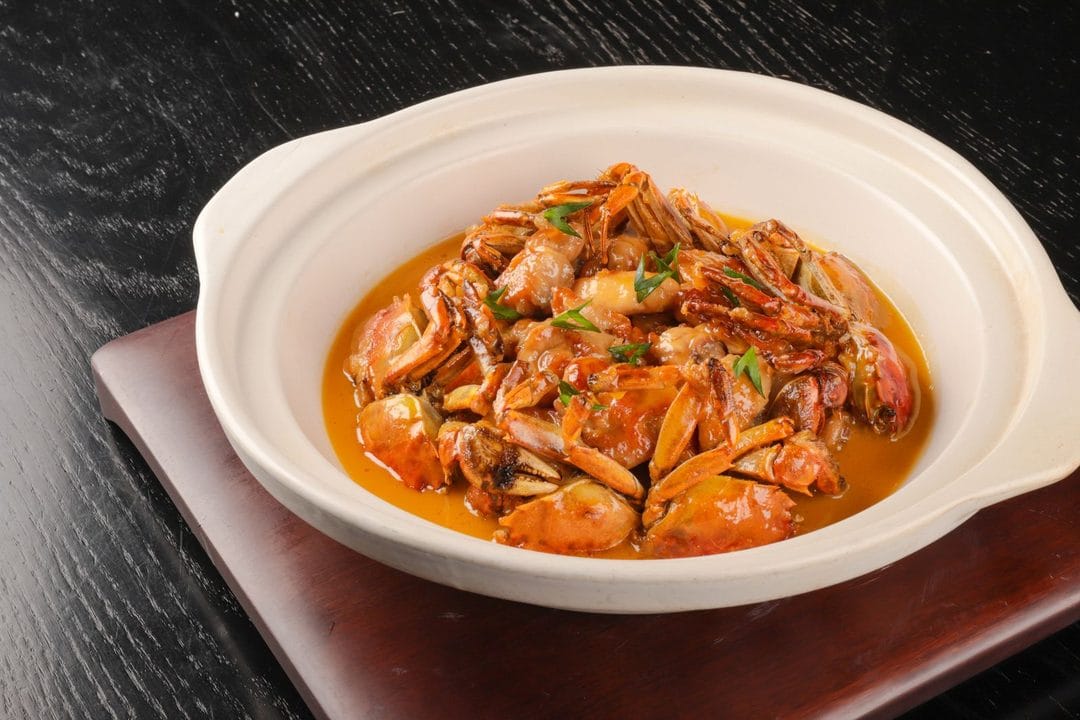
Why this dish arrives with a pile of bread
The crab arrives on a large plate, glossy and red, with a sauce that looks like a cross between tomato ketchup and something much hotter. Within a minute, someone at the table reaches for the bread. That's the cue. Chilli crab is one of Singapore's signature dishes, and it is built for a particular kind of eating: sticky fingers, cracked shells and plenty of soft bread soaking up the sauce. If you approach it like a quiet plate of prawns, you will get frustrated and probably wear half the sauce. Locals make it look effortless, mostly because they stopped worrying about the sauce on their shirts ages ago.
What is actually in the sauce
The base is a tomato and chilli sauce, sweetened with a little sugar and often ketchup, with garlic and ginger in the mix. The sugar is not an afterthought, because it rounds off the sharpest edge of the chilli and keeps the sauce in balance with the sweetness of the crab. Many kitchens start from a bottled chilli sauce and adjust it from there, which is one reason no two restaurants taste exactly alike. The defining move is the beaten egg, stirred in near the end so it sets into silky ribbons through the sauce. The crab itself is usually mud crab, a thick-shelled species with dense, sweet meat that holds up well to a long, saucy cook. Restaurants tend to price it by weight or by the day's market rate, so the menu shows a range rather than one number. Expect to pay roughly SGD 60 to SGD 120 for a medium crab at a sit-down restaurant, with larger crabs or a busy weekend pushing the figure higher. Spice levels are rarely written on the menu, so ask how hot the kitchen makes it before you order.
Ordering without overordering
The usual mistake is ordering one crab per person and then wondering why half of it is left. A medium crab shared between two people, with a green vegetable and a bowl of rice, is a sensible starting point for a casual dinner. Groups tend to add more bread instead of more crab, which is the right instinct. Ask whether the crab is priced by weight, because the menu figure and the final bill can drift apart. Order the crab first, then decide on everything else around it.
Timing matters more than most guidebooks admit. Weekday lunches are usually quieter than weekend dinners, and the staff have more time to talk you through the menu. If you're watching the budget, lunch is a sensible way to try the dish, though not every restaurant offers a smaller portion.
Among the usual sides, these work well alongside it:
- Mantou, the soft steamed buns, for mopping up sauce.
- Kai lan, Chinese broccoli, stir-fried with garlic and a little oyster sauce.
- A bowl of steamed rice, which soaks up whatever sauce is left on the plate.
- Something cold and unsweetened to drink, since the sauce is already sweet enough.
Mantou: the bread that does the real work
Mantou are soft, lightly sweet steamed buns, and the decision at the table is whether to keep them steamed or fry them. Fried mantou have a golden crust that holds up when dipped, while steamed ones turn pillowy and drink up more sauce. Neither choice is wrong, but the fried version gives you more to work with when the sauce runs thin. Tear off a piece, press it into the sauce, and eat it straight away before it goes soggy.
Is it worth the mess? For most visitors, yes, though the first few minutes feel awkward if you're used to eating crab quietly. The bread is what turns a costly dish into a shared evening, because everyone at the table ends up reaching into the same bowl. Order more of it than you think you need.
Eating it without wearing it
Restaurants usually hand you a plastic bib before the crab arrives, and you should accept it without a second thought. A small cracker and a pick are the tools you'll use most, though many diners simply pull the legs apart by hand. Start with the claws, where the meat is firm and comes free after a few clean cracks. The body holds a lot of meat tucked into its chambers, so work slowly and dig with the pick rather than fighting the shell. Some diners prize the roe in female crabs, which often turns bright orange when cooked, so ask whether yours has any before you start. Keep a stack of napkins close, and ask for a damp towel or wet wipes if the table doesn't come with one, because the sauce travels further than you expect.
Chilli crab against black pepper crab
If you want a second crab dish on the same trip, black pepper crab is the usual companion. It is drier, with more pepper and less sauce, and it suits diners who find chilli crab too sweet. The flavour comes from a peppery, savoury coating rather than a tomato base, so it feels lighter on the bread. Some tables order one of each and share, which is a sensible way to compare the two without committing to a full crab each. If you only have one crab in you, choose chilli crab for the experience and black pepper for the calmer dinner.
Salted egg yolk: the richer alternative
Many menus also list a salted egg yolk crab, one of the most popular variations. The sauce is built from salted egg yolk, butter and curry leaves, so it is richer and less fiery than the tomato base. Some kitchens add a little cream or evaporated milk to smooth it out, though recipes differ a lot. It's a good choice for anyone who wants the crab experience without the sharp chilli, and it pairs well with the same mantou. If the menu lists several crab dishes, ask the server which one the kitchen does best, because the house favourite is often the answer.
The argument over who invented it
Chilli crab is widely described as a Singapore creation, and its origin story is contested. Several restaurants have been credited with inventing it over the years, and the account you hear usually depends on who is telling it. Like many Singapore dishes, it blends Chinese stir-frying with a generous hand for chilli, which is part of why it feels so at home in the city. The exact history matters less to most diners than the fact that the dish keeps getting ordered. Ask three locals where it started and you may get three different answers, which is part of the fun.
Where to eat it
Sit-down seafood restaurants give you the most reliable version of the dish, and they're where most visitors end up for a special dinner. Open-air seafood places near the coast tend to be louder, cheaper per dish and more fun, though the quality of the crab depends a lot on the day's supply. Some hawker centres have stalls selling crab too, but check how it is cooked before you commit to a whole one. Popular restaurants can run out of the bigger crabs on a busy night, so ask for the day's options as soon as you sit down. Booking ahead for a weekend table is a sensible habit, because the best seafood places fill quickly.
Who should skip it, and what to order instead
I'll be honest about the limits. The sweet, sour and spicy balance isn't for everyone, and some visitors find the sauce too sticky to enjoy. If you dislike shellfish, or you're eating with someone who wants a quiet, tidy meal, a plate of stir-fried noodles or steamed fish will serve you better. Chilli crab is also not the cheapest dish on a Singapore menu, so check the price before you commit to a whole crab. A common compromise is one crab for the table and a separate dish of stir-fried chicken or tofu for anyone who won't touch shellfish. The bread works with almost anything on the table, so nobody has to go hungry.
Order the extra bread before the crab arrives, and resist the urge to clean your fingers until the last claw is empty.